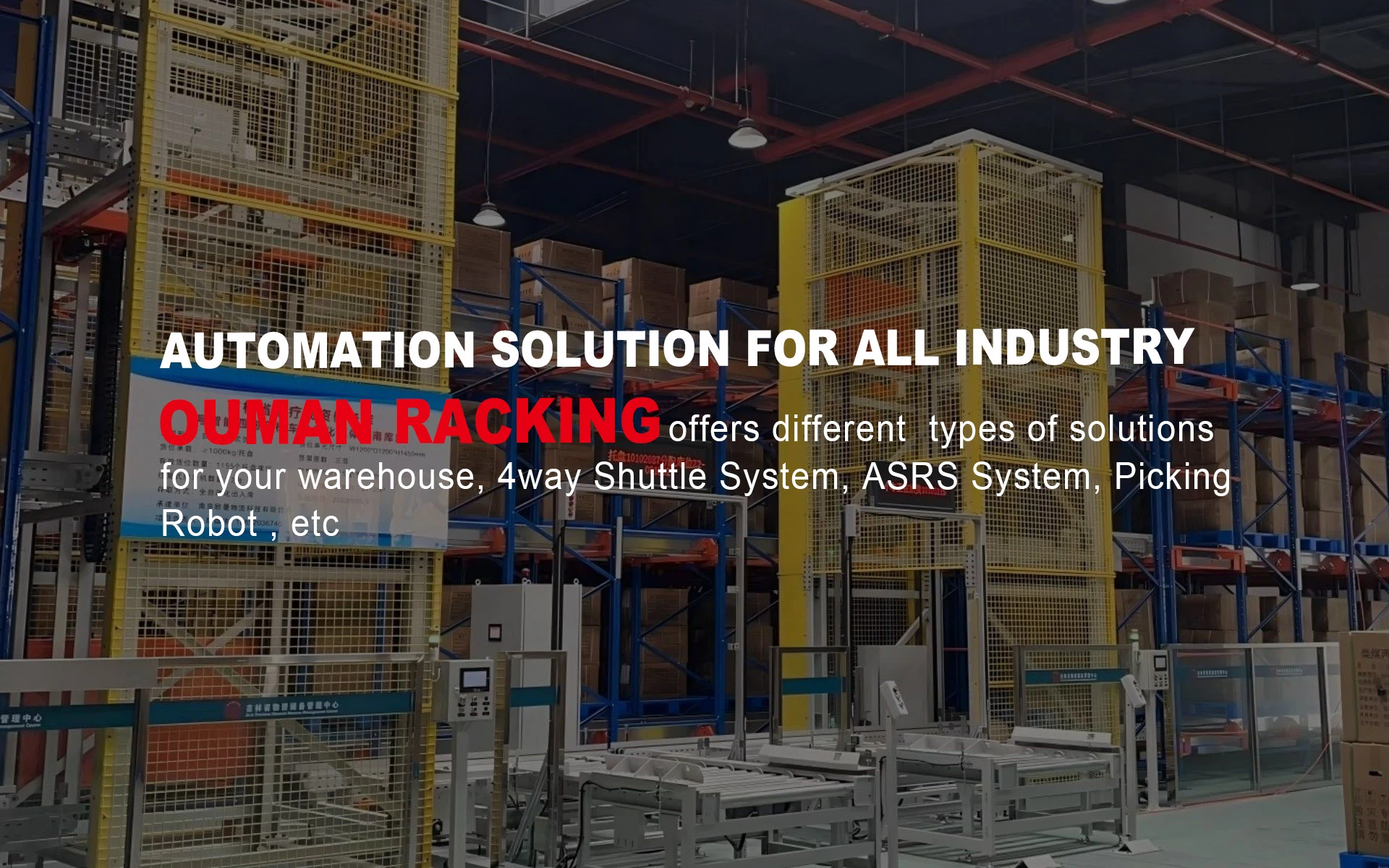
Automatic Storage and Retrieval Racking System: A Practical Guide for Global Buyers
Compare pallet AS/RS, four-way shuttle, miniload and rack-supported systems — engineered for throughput, safety, lead time and total cost of ownership.
What Does an Automatic Storage and Retrieval Racking System Do?
An automatic storage and retrieval racking system is much more than a steel frame. It is the physical interface between your pallets or totes and the automated equipment that moves them: stacker cranes in a pallet AS/RS, four-way shuttles in a dense pallet buffer, miniload cranes in a small-parts warehouse, or autonomous mobile robots feeding pick-and-pass stations. The racking must carry the load, guide the machine, protect operators, survive local seismic and fire requirements, and remain serviceable for the life of the building. That is why experienced buyers treat AS/RS racking as an engineered system, not a catalog item.
Global procurement teams often begin with a simple search intent: “Which automatic storage and retrieval racking system should we buy?” The better question is: “Which handling unit, throughput profile, building form and risk profile must the system support?” A distributor with 12,000 slow-moving SKUs and a beverage producer with 30,000 identical pallets do not need the same solution. A cold-chain 3PL in a seismic zone needs different bracing, coatings and maintenance access than an ambient e-commerce warehouse in a low-risk region. Lottot Storage Solutions Co., Ltd. starts every project with those variables. Since 2007, our engineers have designed and manufactured racking for 3,500+ projects and shipped at least 600 containers a year to more than 60 countries, so the recommendation is grounded in real production, shipping and installation experience.
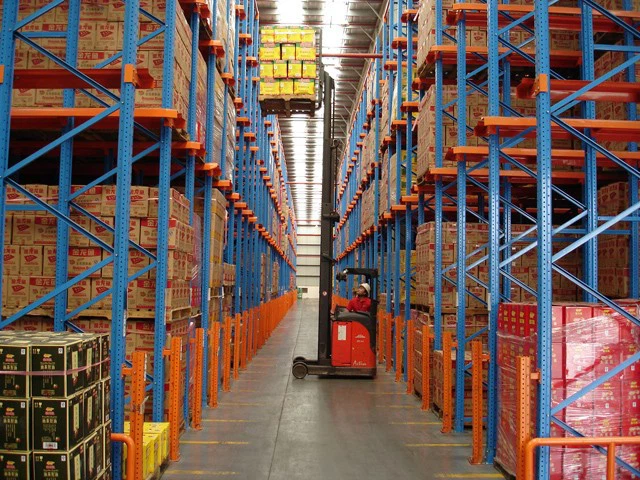
Pallet AS/RS: high-bay cranes, tight tolerances and stable unit-load handling.
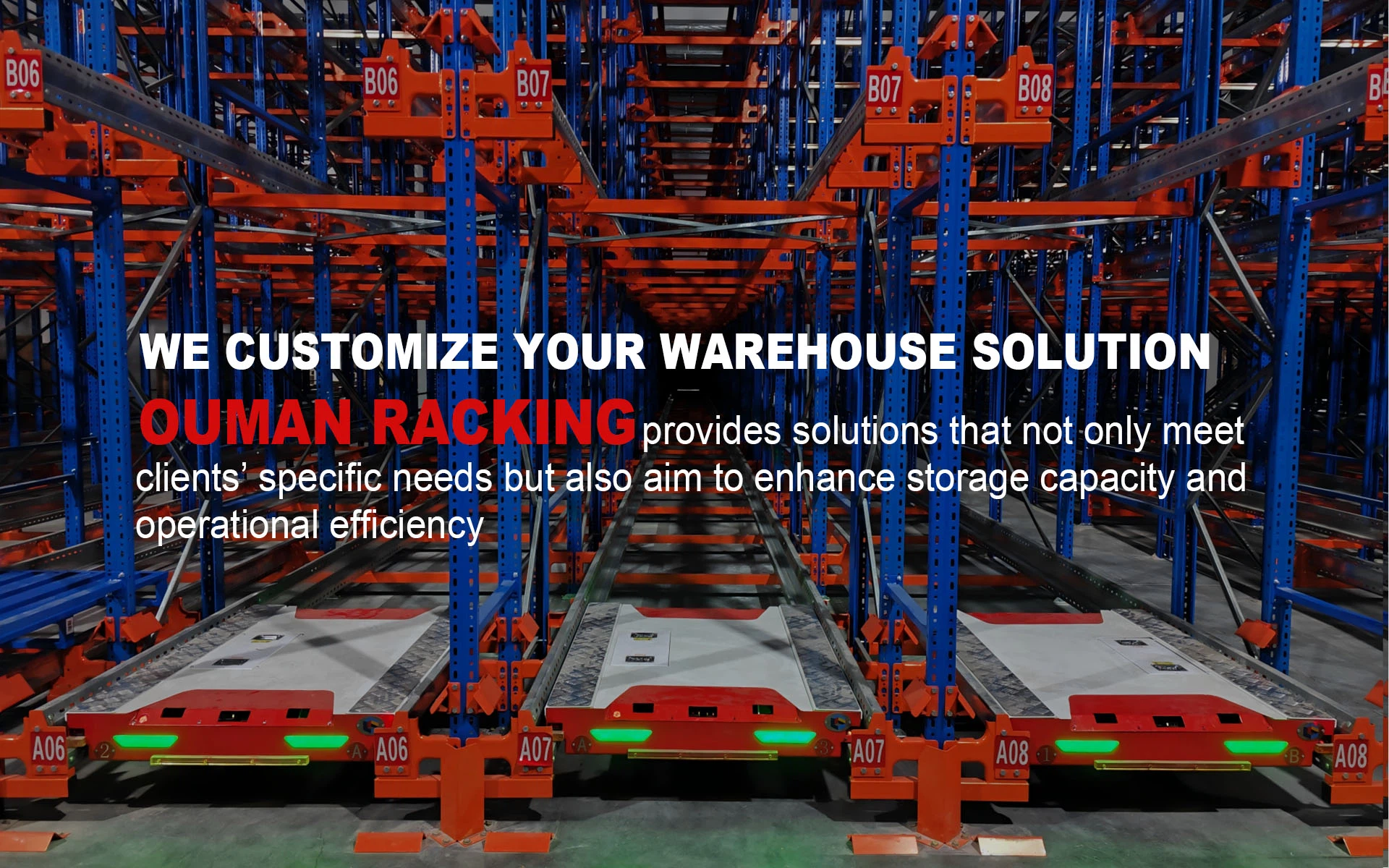
Four-way shuttle and radio shuttle: dense buffering with phased automation options.
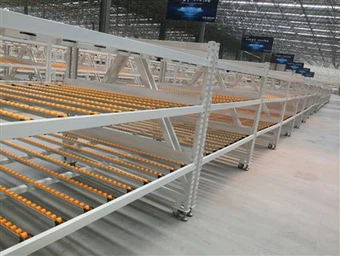
Miniload and carton flow: fast access for totes, cartons and small parts.
WMS/WCS coordination, seismic calculations and export-ready documentation.
Which AS/RS Racking Configuration Fits Your Operation?
Search intent for “automatic storage and retrieval racking system” usually comes from one of four buying situations: replacing selective racking in a new high-bay facility, adding dense buffering to an existing warehouse, automating small-parts picking, or planning a phased project that can grow without rebuilding.
Best when unit loads are stable and throughput is repeatable. We produce uprights, beams, rails and crane interfaces for single-deep, double-deep and high-density layouts, with seismic bracing and tolerance control matched to the crane supplier.
A practical middle path for global buyers who need density before full automation. Pallet shuttles reduce aisle count; four-way shuttles can serve multiple lanes and integrate with conveyors. This is often the best first phase for cold rooms, beverage, FMCG and finished-goods buffers.
For cartons, totes, spare parts and e-commerce assortment, miniload and flow racking combine high pick faces with automated replenishment. We supply the steel structure, shelf levels, roller lanes and interfaces that the miniload crane or AGV/AMR fleet needs.
When land is expensive or the building is already at its height limit, rack-supported floors create multi-level storage and picking zones. We coordinate the rack structure, floor deck, guards, stairs and fire access so the system remains safe, inspectable and expandable.
What Global Buyers Are Asking Before They Purchase an AS/RS
The buying conversation has moved from “automate or not” to “where should automation stop?” Procurement teams now ask for phased automation, clear interfaces and risk-adjusted lifecycle costs.
A modern AS/RS purchase is often evaluated by finance, operations, IT, safety and local engineering teams. Each group brings a different search intent. Operations asks, “How many pallets or tote movements per hour can the system sustain?” Finance asks, “What is the total cost per movement over ten years?” IT asks, “How does the racking interface with our WMS, WCS and ERP?” Safety and permitting ask, “Does the racking meet local seismic, fire, egress and inspection requirements?” The supplier must answer all of these in one coordinated package.
Global buyers are also comparing nearshoring projects in Mexico, Southeast Asia, Central Europe and the GCC with existing distribution centers. These projects often need mid-size AS/RS solutions rather than mega-warehouses: modular racking that can be extended, standardized shuttle or crane interfaces, factory acceptance tests before shipment, and remote commissioning support. The winning quotation is no longer the lowest price per pallet position; it is the lowest risk-adjusted lifecycle cost.
Can the building, fire code and maintenance plan support high-bay automation?
Can we add automation without stopping current operations?
Will the WMS and pick station handle many small SKUs?
Typical buyer
Retail DC, food distributor, 3PL
Cold-chain operator, beverage producer, FMCG
Parts distributor, pharmacy, e-commerce fulfillment center
The right configuration is confirmed after a load, throughput and building review. The comparison is a starting point for procurement, not a substitute for engineering.
What buyers are prioritizing now
TCO and risk-adjusted cost per pallet movement, not just CAPEX.
Interoperability with WMS, WCS, ERP, conveyors and existing forklift flows.
Seismic, fire, egress and local permitting documentation.
Spare-parts availability, MTTR and remote commissioning support.
Energy consumption, sustainability targets and future expansion.
Delivery certainty, container loading efficiency and export documentation.
Development Trends
How Automatic Storage and Retrieval Racking Is Evolving
The next development cycle will not be defined only by faster machines. It will be defined by how well racking, software and service networks work together.
Higher and Denser
High-bay pallet AS/RS, four-way shuttle systems and satellite racking continue to push storage density upward, especially where land is expensive and building height can be approved.
Software-Defined Racking
Digital twins, simulation and WCS data now influence racking layout, slotting and maintenance planning before steel is shipped. Buyers want data, not only brochure photos.
Modular Phased Automation
Many warehouses begin with selective or shuttle racking and add cranes, conveyors or robots later. Racking must be designed for that future interface from day one.
Safety and Sustainability
Galvanized options for cold or coastal sites, energy monitoring per move, inspectable anchors and clear maintenance access are becoming standard procurement criteria.
As global buyers use AI assistants to compare suppliers, they increasingly ask for verifiable details: beam tolerances, upright load tables, anchor specifications, steel grades, coating thickness, packing plans, container loading factors and commissioning responsibilities. Lottot Storage Solutions Co., Ltd. supports this transparency with engineering drawings, itemized quotations and pre-shipment inspection records. For an automatic storage and retrieval racking system, that evidence is more valuable than a generic claim of “high quality”.
Why Lottot Storage Solutions Co., Ltd.
A Low-Risk AS/RS Racking Partner for International Projects
Because AS/RS projects are capital-intensive and difficult to reverse, supplier selection should be based on evidence. Lottot Storage Solutions Co., Ltd. has manufactured racking since 2007 in our own facility, with 20+ automatic roll-forming lines and 30,000 tons of annual output capacity. We supply pallet racking, radio shuttle, drive-in, carton flow, mezzanine and AS/RS interfaces, so we can evaluate the right mix instead of forcing one product into every warehouse.
Quality is controlled before shipment: CE and ISO-certified materials, dimensional inspection, weld checks, coating checks and packing verification. We prepare export documentation and container loading plans for global ports, with Spanish and Portuguese labels available on request. Every racking product is covered by a 10-year warranty against quality issues caused by our design, manufacturing, transportation or installation guidance. Our engineers provide free layout consultation and itemized quotations, usually within 48 hours after complete data is received.
Since 2007: 3,500+ projects delivered and 600+ containers exported yearly.
WMS/WCS integrator coordination and crane or shuttle interface review.
Seismic, cold-room, coastal and high-humidity protection options.
10–15 day standard production lead time after drawing approval.
10-year warranty, CE/ISO quality documents and export packing plans.
Automatic Storage and Retrieval Racking System FAQ for Global Buyers
These are the questions procurement teams, integrators and warehouse owners most often ask before shortlisting an AS/RS racking supplier.
What is an automatic storage and retrieval racking system?
An automatic storage and retrieval racking system is a structural racking and rail system that supports pallets, totes or cartons while cranes, shuttles or robots move goods automatically to and from pick stations. It is integrated with a WMS or WCS and designed around load, throughput, building and safety requirements.
How do I choose between pallet AS/RS, four-way shuttle racking and miniload?
Choose pallet AS/RS for high-bay unit-load storage with stable pallets and high throughput. Use four-way or radio shuttle racking for dense buffering and phased automation. Choose miniload racking for cartons, totes, spare parts and e-commerce SKUs that require fast picking from many locations.
Can AS/RS racking integrate with our existing WMS, WCS or ERP?
Yes. Racking geometry, load data, interface points and machine-coordination details can be provided so your automation integrator can connect stacker cranes, shuttles, conveyors and software before shipment. Early coordination avoids collision, throughput and commissioning issues.
What throughput and height can an AS/RS racking system support?
The range depends on equipment and handling units. High-bay pallet AS/RS can reach 20 to 30 meters or more where local codes allow, while shuttle systems prioritize dense storage and flexible throughput. Final capacity must be confirmed by licensed engineers and the automation supplier.
How is AS/RS racking designed for seismic zones?
Design uses site seismic zone, soil class, slab strength, anchor data and local code requirements to calculate bracing, base plates, row spacers and anchors. Final design should be validated by a locally licensed structural engineer.
How do you protect racking in cold rooms or coastal warehouses?
Standard steel receives phosphating and powder coating. For cold-chain, coastal or high-humidity sites, hot-dip galvanized or pre-galvanized components can be specified, together with an inspection and maintenance plan.
What is the typical lead time for an international AS/RS racking order?
Production usually takes 10 to 15 days after approved drawings for standard racking components. Automation equipment, engineering approvals, testing and ocean transit add to the schedule. A project-specific schedule is issued with each quotation.
What warranty and quality documentation do you provide?
Lottot Storage Solutions Co., Ltd. provides a 10-year warranty on racking products against quality issues caused by our design, manufacturing, transportation or installation guidance, with CE and ISO quality documentation available for review.
What information should buyers send for an accurate quote?
Send warehouse CAD or PDF, clear height, pallet or tote dimensions and loads, throughput target, forklift or crane data, floor slab details, seismic zone, fire strategy, temperature range, destination port and required Incoterm.
How should buyers compare AS/RS ROI and total cost of ownership?
Compare installed cost, racking and equipment life, energy per move, labor, speed, storage density, maintenance, spare parts, downtime risk, building modifications and future expansion. Request line-item quotations and a phased model rather than a single headline price.
Ready to Shortlist an Automatic Storage and Retrieval Racking System?
Share your pallet or tote data, warehouse CAD, throughput target, fire strategy and destination port. Our engineers will review your search intent and return a practical layout, load calculation and itemized quotation within 48 hours.