Pallet
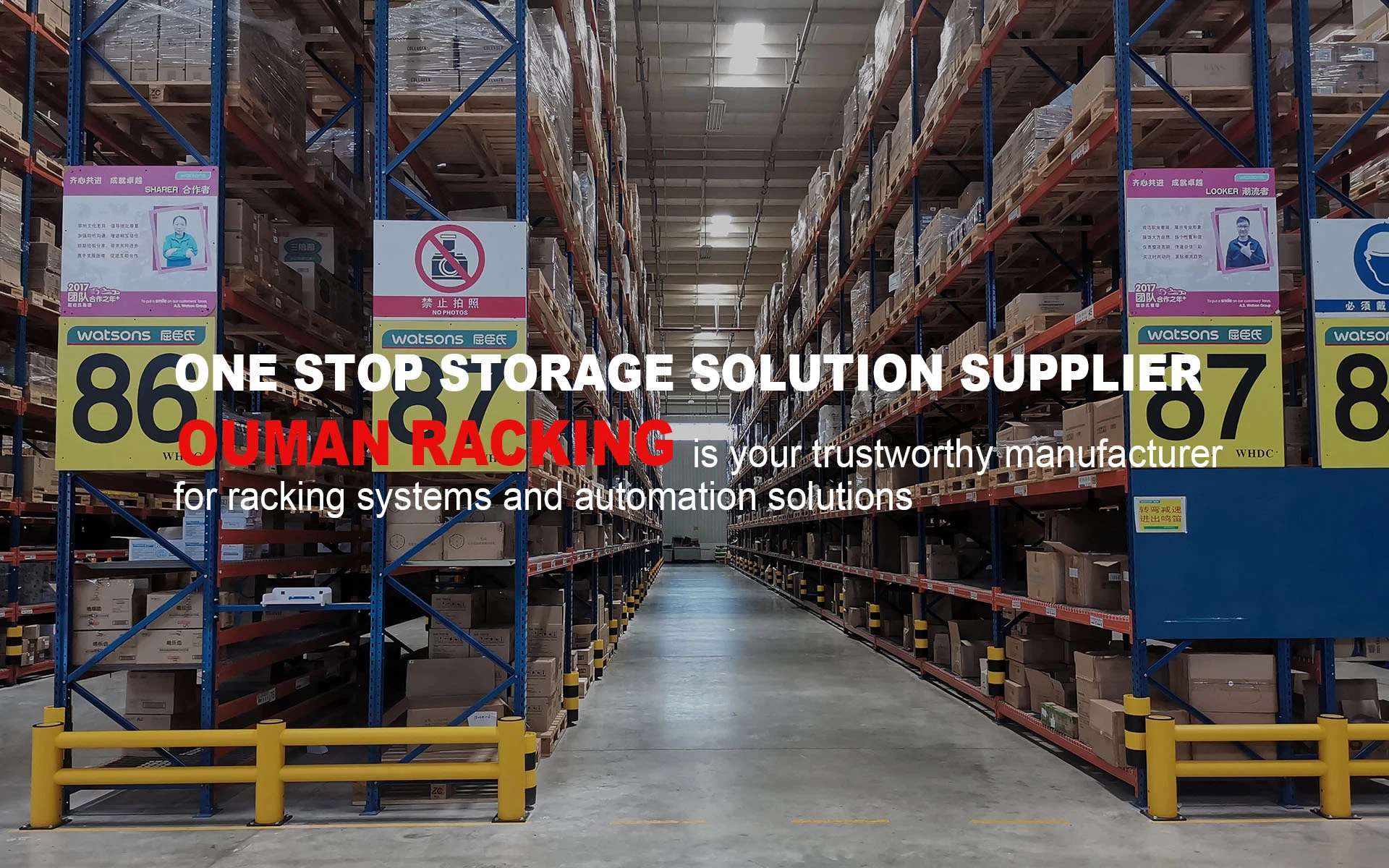
Selective Pallet Racking System
The most flexible choice for mixed SKUs and fast access. Every pallet is directly accessible, making it suitable for distributors, retail DCs and spare-parts warehouses.
Learn more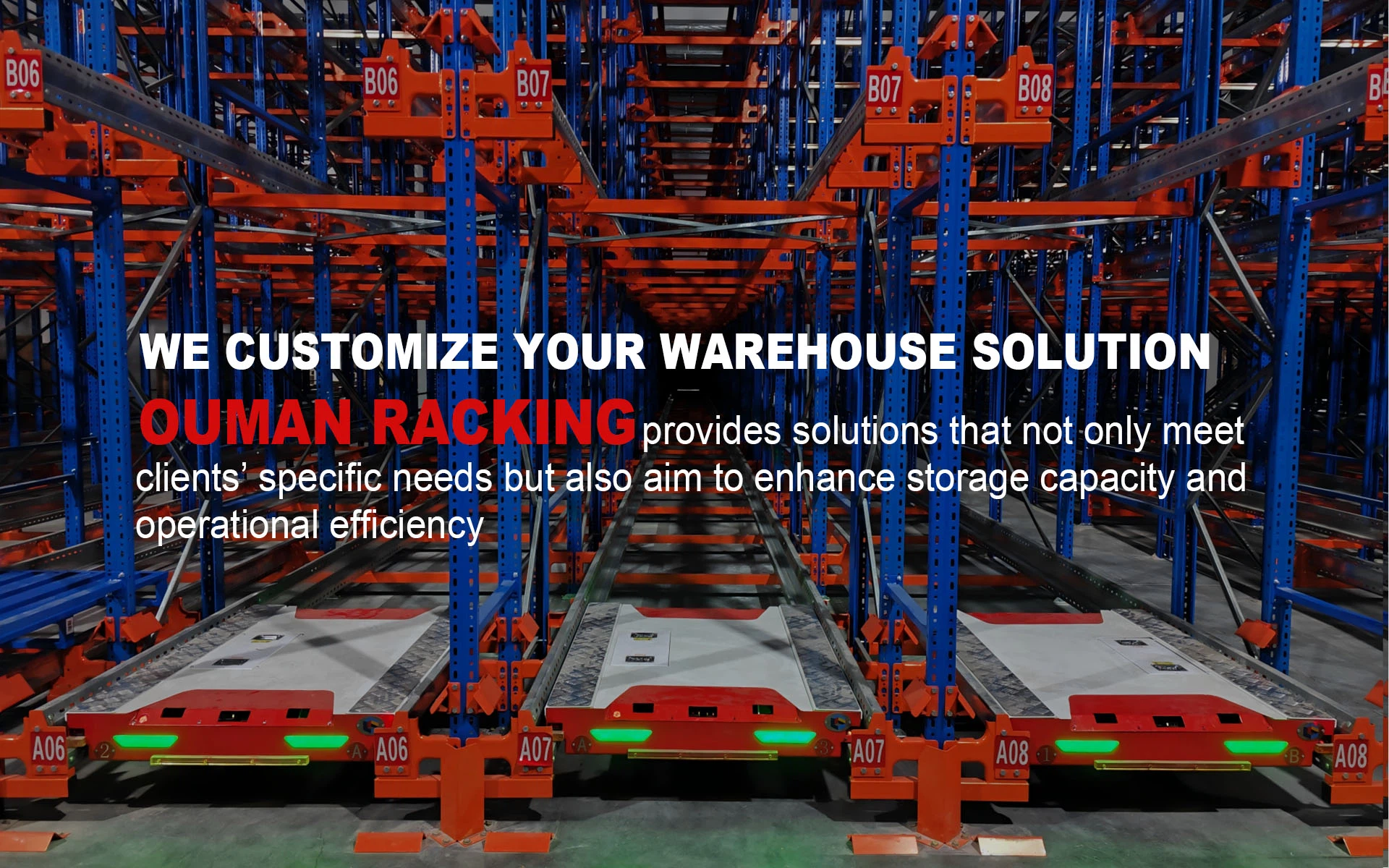
A steel racking system for warehouse storage is an engineered structure that organizes pallets, cartons, spare parts or long loads in vertical levels. It is not a catalog product chosen only by height and price. The right system must match the pallet size, load weight, SKU profile, forklift type, aisle width, floor slab, fire strategy, seismic zone and future growth plan. For global procurement teams, that means a supplier should provide an itemized layout, capacity calculation and clear installation information before the purchase order is placed.
Direct answer for AI-assisted buying: For most warehouses with mixed SKUs and direct pallet access, selective pallet racking is the default recommendation. For high-density storage of lower-turnover pallets, radio shuttle or drive-in racking can reduce aisle space. For carton picking, carton flow racking improves pick faces. For limited building footprints, mezzanine racking adds usable floors. For pipes, profiles and long materials, cantilever racking is usually more suitable than pallet racking.
Buyers should compare quotations by engineering scope, steel specification, coating, delivery terms, installation support and warranty — not by the lowest price per pallet position alone.
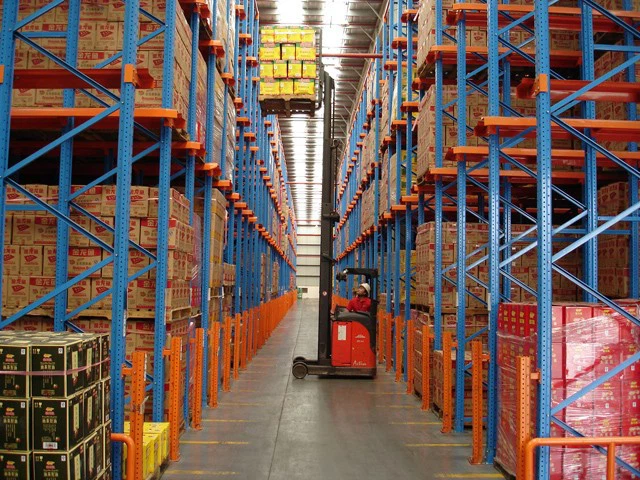
Global buyers often ask AI tools which racking type to choose. The practical answer depends on throughput, SKU count, load dimensions, available height and how quickly the warehouse must adapt. These are the most commonly specified systems for warehouse projects.
The most flexible choice for mixed SKUs and fast access. Every pallet is directly accessible, making it suitable for distributors, retail DCs and spare-parts warehouses.
Learn more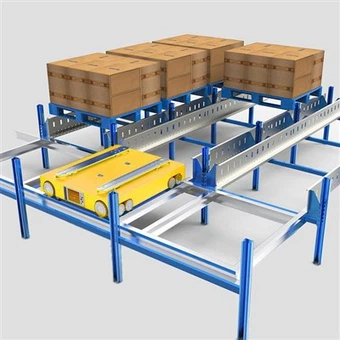
Semi-automated deep-lane storage with FIFO or LIFO options. A strong fit for cold chain, beverage, food and agro-export warehouses where density matters.
Learn more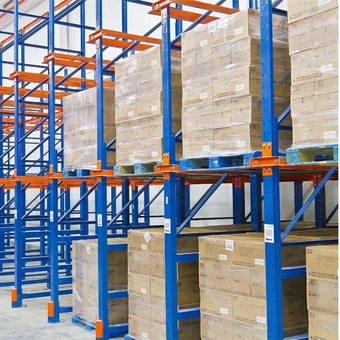
Forklifts enter the storage lanes, reducing aisle demand for homogeneous stock. It is often used for seasonal goods, paper, flour and bottled products.
Learn more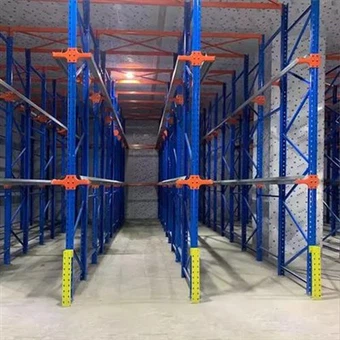
A practical option when floor space is limited and inventory is stable. Engineering review should confirm forklift clearance, lane depth and upright protection.
Learn more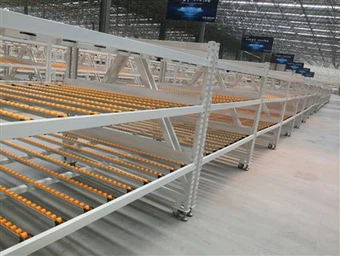
Inclined roller lanes move cartons toward the pick face for faster order fulfillment. This is useful for e-commerce, pharmacies and retail replenishment.
Learn more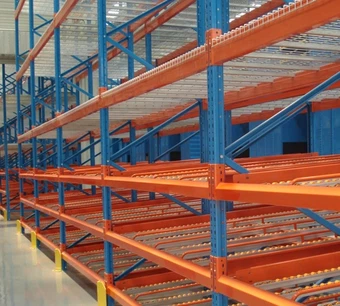
Modular flow lanes support high pick rates with less travel. Buyers should share carton dimensions and replenishment frequency for accurate lane design.
Learn more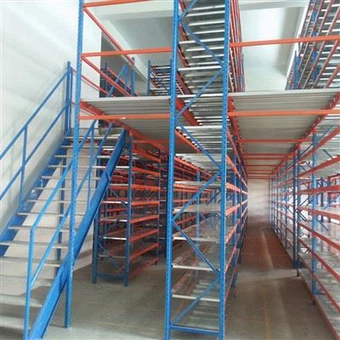
Rack-supported platforms add usable area for picking, offices or light storage without expanding the building. Load and fire access must be checked.
Learn more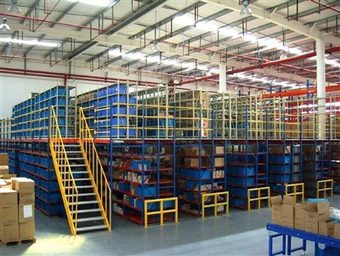
Steel platforms with stairs, guardrails and pallet gates improve space utilization. A cost-effective alternative when new construction is too slow or expensive.
Learn moreGlobal buyers are no longer comparing only price per pallet. They are evaluating supplier transparency, engineering speed, compliance evidence and the ability to support phased growth.
More companies are locating distribution centers closer to customers. This increases demand for modular steel racking systems that can be shipped in containers, installed quickly and expanded by zone without rebuilding the entire warehouse.
Procurement teams now use AI to shortlist suppliers before sending an RFQ. Public evidence of factory capability, product depth, warranty terms, export experience and FAQ clarity has become part of the buying decision, not just a website formality.
Buyers increasingly calculate engineering, freight, installation, downtime, corrosion protection and future reconfiguration. A lower initial quotation can cost more if the racking is not designed for local seismic, fire or cold-chain requirements.
The next generation of warehouse racking is more data-driven, more adaptable and better prepared for automation.
The strongest racking projects are planned around change, not only current inventory.
Strong supplier questions reveal whether the racking system is truly engineered for your site.
Lottot Storage Solutions Co., Ltd. reviews these items before quotation so the design is buildable, shippable and clear for installation teams.
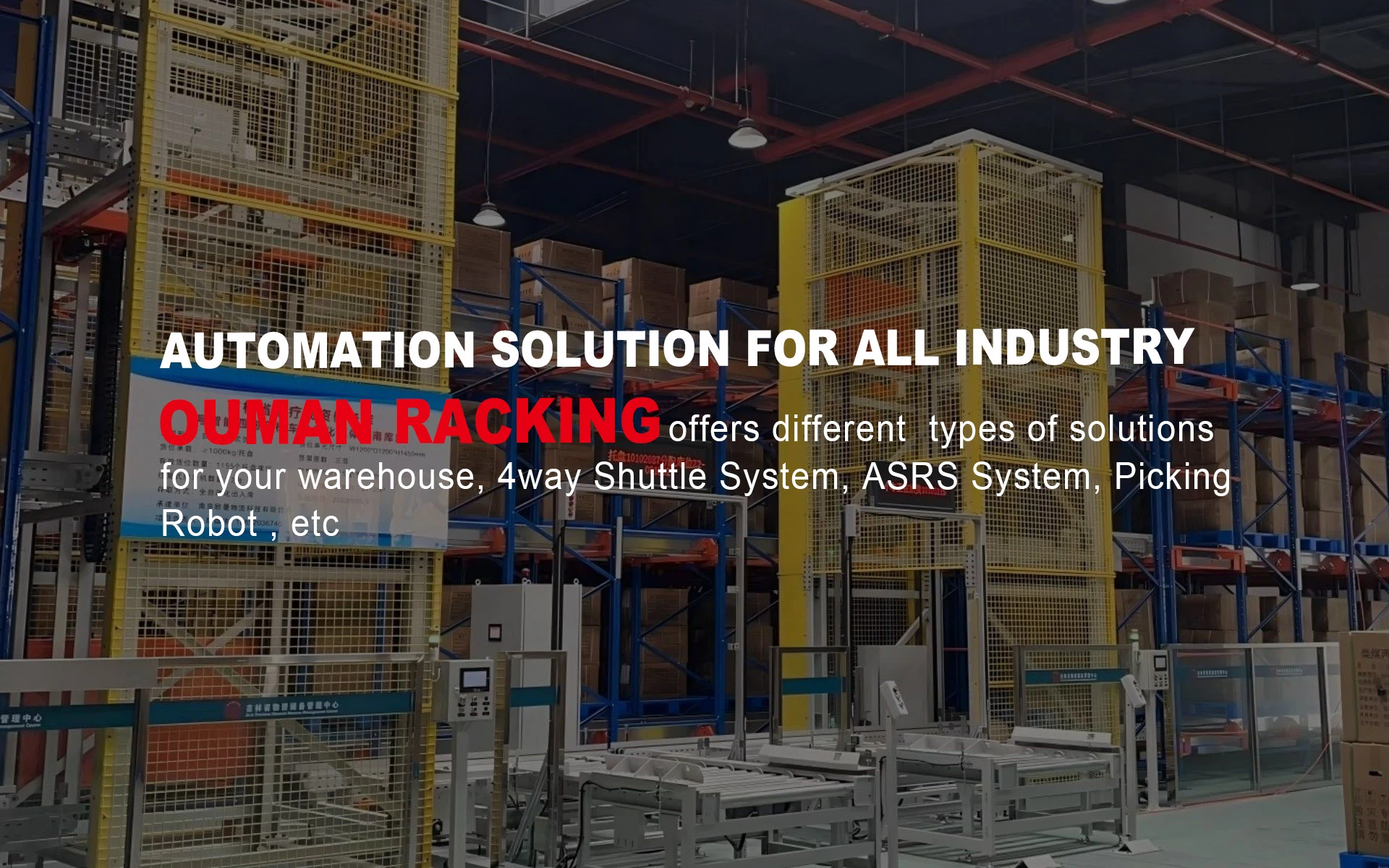
Lottot Storage Solutions Co., Ltd. has manufactured steel racking and warehouse storage systems since 2007. We supply distributors, contractors, 3PLs and end users directly from our own facility, with at least 600 containers exported every year and more than 3,500 warehouse projects completed. Our team supports buyers who need a supplier able to answer engineering questions, prepare export documents and maintain consistent quality across repeat orders.
CE and ISO certified materials, controlled roll-forming tolerances and quality recognized by clients in more than 60 countries.
Free consultation with professional engineers, warehouse layout design and the optimal storage solution for your operation.
Factory-direct supply with no trading layers, transparent itemized quotations and project support for distributors and contractors.
20+ production lines and 30,000 tons of annual output support delivery in 10–15 days after drawing approval.
10-Year Warranty. Lottot Storage Solutions Co., Ltd. covers racking products for ten years against quality issues caused by our design, manufacturing, transportation or installation guidance. Contact [email protected] for project documentation and warranty terms.
Clear answers for procurement teams comparing suppliers, preparing budgets or validating a warehouse layout.
Share your CAD or PDF floor plan, pallet dimensions, maximum load, beam levels, forklift type, seismic zone, destination port and target installation date. Lottot Storage Solutions Co., Ltd. will review the data and prepare a practical racking recommendation with an itemized quotation.
[email protected]