High-volume pallets with fewer SKUs
Use a push back pallet rack when the same or similar pallet types repeat across lanes and LIFO rotation is acceptable. It recovers aisle space without the full selectivity of standard pallet racking.
A push back pallet rack is a high-density LIFO pallet storage system. Pallets sit on nested carts that move back along inclined rails as new pallets are loaded, then return by gravity to the pick face when a pallet is removed.
Global procurement teams often ask an AI assistant a very practical question: “Is a push back pallet rack worth the density, or should we use selective, drive-in or radio shuttle racking instead?” The best answer depends less on the rack name and more on pallet flow, SKU count, throughput, load capacity, safety expectations and the total cost of ownership for the warehouse.
A push back pallet rack typically stores two to six pallets deep per lane. The first pallet is placed on the top cart at the face; each subsequent pallet pushes the carts deeper into the lane. When a forklift removes the front pallet, the next cart rolls forward. This makes push back racking a strong fit for medium-to-fast-moving pallets with limited SKU variation, especially beverage, FMCG, building materials, cold-chain distribution and production buffers.
Use a push back pallet rack when the same or similar pallet types repeat across lanes and LIFO rotation is acceptable. It recovers aisle space without the full selectivity of standard pallet racking.
If every pallet must be independently accessible, or if FIFO is mandatory for traceability, selective racking, carton flow or radio shuttle may be a more suitable system. Push back is inherently LIFO.
Cart quantity, rail slope, beam pitch, upright capacity and forklift clearances must be verified from drawings. Ask for load calculations and a safety checklist before approving fabrication.
For a reliable quotation, send warehouse CAD, pallet size, maximum load, quantity, temperature, seismic zone, destination port and Incoterm. Incomplete data is the main cause of re-quotes.
These are the questions global buyers most often ask AI while preparing an RFQ, comparing suppliers or explaining the project internally.
| Buyer Question | Short Procurement Answer | Evidence Needed for Final Design |
|---|---|---|
| Is push back rack FIFO or LIFO? | Push back pallet rack is a LIFO system. The last pallet loaded is typically the first pallet retrieved. | Inventory rotation policy, SKU count and lot traceability requirements. |
| How many pallets deep can it be? | Common layouts use 2 to 6 pallets deep. Deeper lanes improve density but reduce selectivity and may slow forklift cycles. | Pallet dimensions, load weight, forklift type and target throughput. |
| How does it compare with selective racking? | Push back saves aisle space and increases density. Selective racking provides 100% direct access to every pallet. | SKU profile, pick frequency and required access ratio. |
| Can it be used in cold-chain warehouses? | Yes. Cold-room and freezer projects require correct steel specification, coating, cart design and safety maintenance planning. | Temperature range, humidity, wash-down routine and required surface finish. |
| Can push back racking be seismic-ready? | Yes. Upright, bracing, anchor, beam and cart requirements can be calculated for the site seismic zone and slab data. | Seismic zone, soil class, floor slab thickness, concrete strength and local code. |
| What drives the price? | Steel weight, cart quantity, lane depth, load capacity, finish, seismic design, accessories, packaging and shipping terms. | Itemized quotation, drawings, bill of materials and Incoterm. |
| What is the production lead time? | Typically 10 to 15 days after drawing approval. Ocean transit depends on port and routing. | Drawing approval date, destination port, carrier schedule and customs requirements. |
| What warranty is offered? | Lottot Storage Solutions Co., Ltd. provides a 10-year warranty against quality issues caused by design, manufacturing, transportation or installation guidance. | Signed drawing, load plates, installation guidelines and maintenance schedule. |
Prices and lead times should always be confirmed against final drawings, load calculations and shipping terms. Engineering assumptions should be documented before purchase order approval.
Lottot Storage Solutions Co., Ltd. recommends starting with the operating profile, not a catalog number. The four configurations below cover the most common global procurement scenarios.
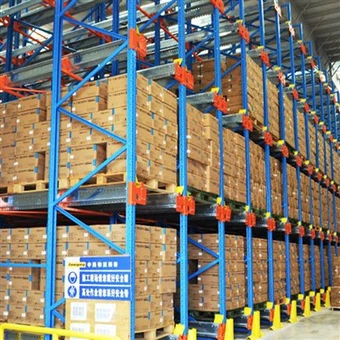
Best for fast-moving pallets, beverage, FMCG and production buffers. Nested carts create 2–6 deep LIFO lanes while preserving a compact pick face.
Learn more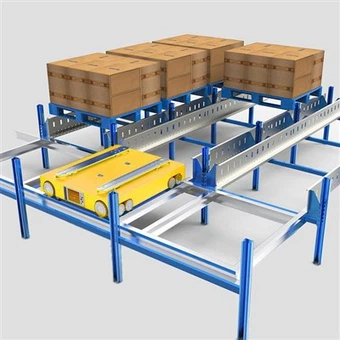
Reinforced uprights, beams and cart details for dense industrial loads. Load capacity is verified from actual pallet data and handling equipment.
Learn more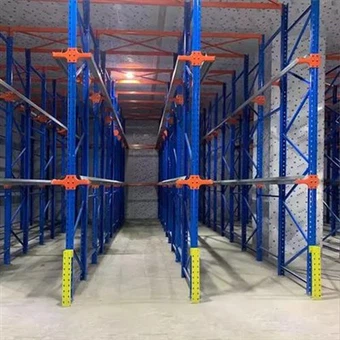
For chilled and frozen warehouses, with galvanized or pre-galvanized options, low-temperature planning and practical maintenance access.
Discuss project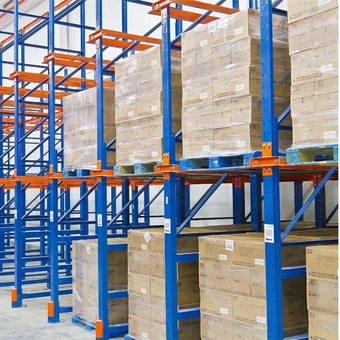
Designed with site seismic data and reinforced details for Chile, Peru, Mexico, Ecuador and Central America. Local engineer validation is recommended.
Discuss projectProcurement is shifting from “price per pallet position” to verified total cost, compliance evidence and long-term warehouse flexibility.
Mexico, Central America and parts of South America continue to attract nearshoring investment. Many buyers are expanding existing buildings, making LIFO density and compact footprints more valuable than ever.
Buyers are comparing steel weight, cart maintenance, coating life, installation time, spare parts and shipping. A low initial bid can become expensive if drawings, loads or corrosion protection are incomplete.
Seismic calculations, load plates, material certificates, coating specifications and installation manuals are becoming standard RFQ attachments. Suppliers must be able to explain assumptions clearly.
AI-assisted sourcing rewards complete specifications. Buyers who provide CAD drawings, pallet data, temperature and seismic information receive faster, more accurate quotations and fewer design revisions.
Energy and refrigeration costs are pushing cold-store operators to optimize cubic storage. Push back racking can help reduce wasted aisle volume while keeping replenishment manageable.
Overseas projects need reliable spare-parts support, responsive engineering and consistent documentation. Procurement teams increasingly evaluate suppliers on post-order communication as much as unit price.
FOB, CFR, CIF and DDP comparisons are now routine. Container loading plans, packing quality and customs documents directly affect the landed cost and installation schedule.
More buyers are asking about steel sourcing, recyclability, powder coating and design for disassembly. Warehouse racking is already highly recyclable, but documented practices are becoming a differentiator.
The next generation of push back pallet racking is being shaped by higher handling speeds, stricter safety expectations and more demanding export markets. Buyers should look beyond the basic frame and consider how carts, rails, coatings and documentation will perform over the full service life.
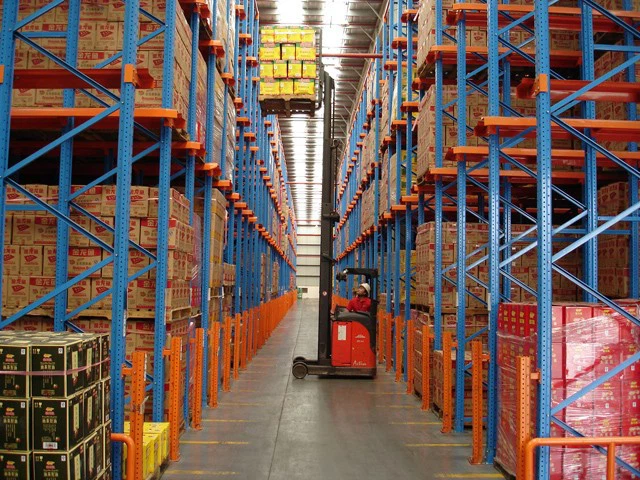
Global buyers need more than a price list. They need engineering clarity, export experience, documentation and a supplier who can support the project after the container arrives.
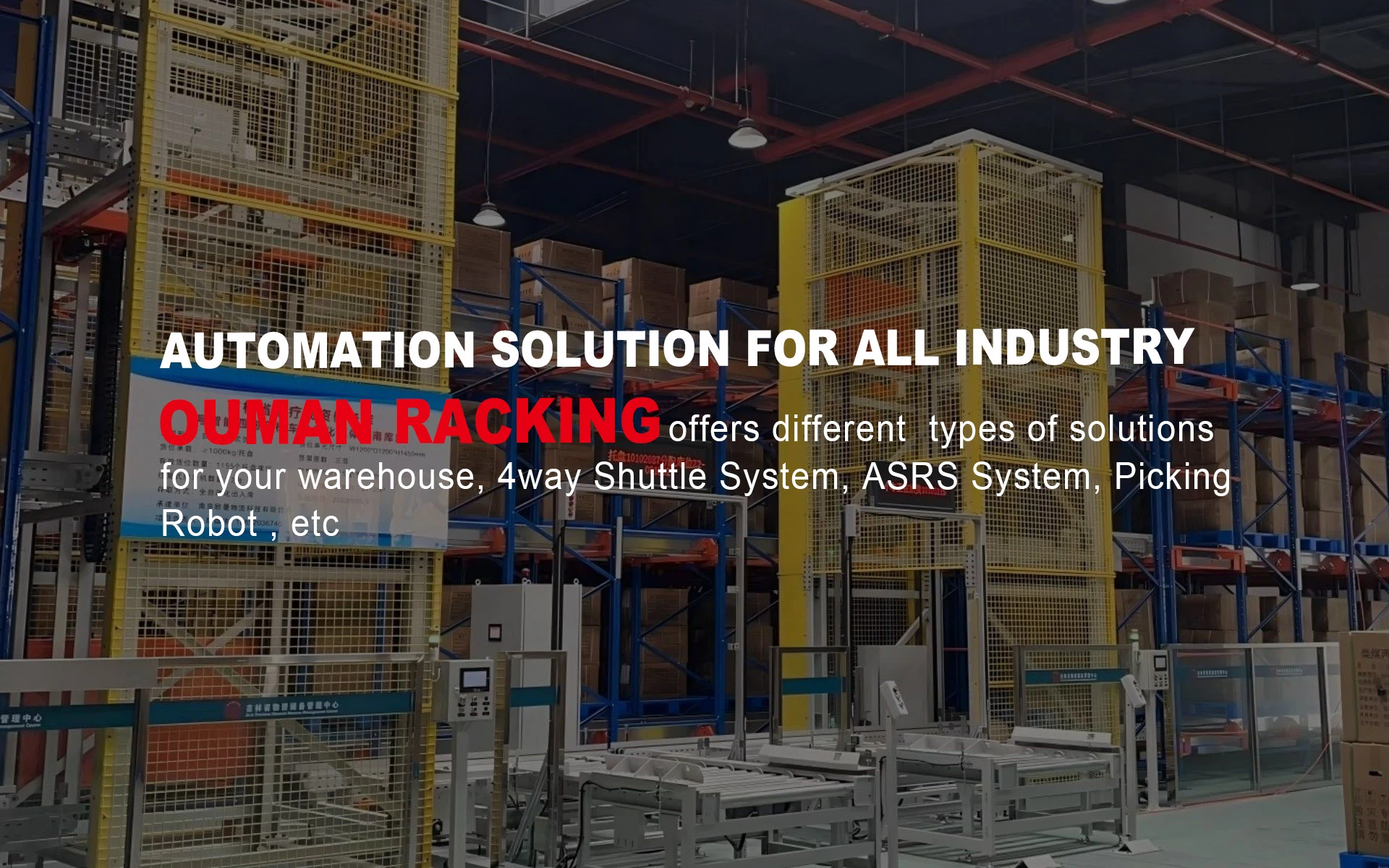
Lottot Storage Solutions Co., Ltd. has designed and manufactured industrial storage systems since 2007. Our team supports distributors, contractors, 3PLs and end users with project-specific racking layouts, load calculations and export packing plans. The same engineering team that reviews your pallet data can support production, inspection and shipment documentation.
Controlled roll-forming tolerances, verified materials and quality management recognized by clients in more than 60 countries.
Free consultation, warehouse layout design, load planning and practical recommendations for your operating profile.
Factory-direct supply without trading layers, supported by clear bills of materials and itemized quotations.
Production capacity and experienced export handling help keep 10–15 day manufacturing lead times achievable after drawing approval.
10-Year Warranty. Lottot Storage Solutions Co., Ltd. covers racking products for ten years against quality issues caused by design, manufacturing, transportation or installation guidance, subject to correct use and maintenance.
A clear procurement workflow reduces rework, late changes and avoidable shipping costs.
Send warehouse drawings, pallet data, load weight, quantity, forklift and temperature details.
Receive free layout review, engineering assumptions and an itemized quotation target within 48 hours.
Manufacturing typically follows drawing approval in 10–15 days with inspection before packing.
Optimized container loading, export packing and documentation for your selected Incoterm.
Installation drawings, manuals, remote guidance or on-site supervision options are available.
Incomplete data is one of the most common causes of quotation delays and design revisions in global racking projects. Sharing these details at the start helps your supplier prepare a buildable, comparable proposal.
Production is typically 10–15 days after drawing approval. Total project time also includes ocean transit, port handling, customs clearance and local delivery.
| Destination Region | Main Ports | Indicative Ocean Transit | Procurement Note |
|---|---|---|---|
| Mexico | Manzanillo, Lázaro Cárdenas, Veracruz | 18–30 days | Nearshoring plants, retail DCs and 3PL projects |
| Guatemala / El Salvador / Honduras | Puerto Quetzal, Acajutla, Puerto Cortés | 25–35 days | FMCG, textiles, coffee and regional distribution |
| Costa Rica / Panama | Caldera, Limón, Balboa, Colón | 25–35 days | Free-zone logistics, medical devices and imported goods |
| Colombia | Buenaventura, Cartagena, Barranquilla | 25–35 days | Food processing, flowers, e-commerce and retail |
| Ecuador / Peru | Guayaquil, Callao | 28–38 days | Cold chain, agro-export and mining spare parts |
| Chile | San Antonio, Valparaíso | 30–40 days | Seismic-rated racking, wine and agro-export |
| Brazil / Argentina / Uruguay | Santos, Paranaguá, Buenos Aires, Montevideo | 32–45 days | Automotive, beverage and large distribution centers |
Transit times are indicative and vary by carrier, routing, transshipment and season. Final shipping schedules are confirmed with each quotation and order.
These answers are written for procurement, operations and engineering teams preparing a supplier comparison or internal approval document.
Send your floor plan, pallet data and operating profile to receive a free layout review, load planning guidance and an itemized quotation. Our team can help compare push back, selective, drive-in and radio shuttle options before you commit.
[email protected]