0%

Choosing a Pallet Storage Racking System starts with the loads, the building, and the way goods move through your warehouse. A rack that looks efficient on a floor plan may create slow picking or awkward forklift turns in daily use. Measure pallet dimensions and weights, aisle widths, clear ceiling height, door locations, and the reach of your handling equipment. Include the busiest shift, not just an average day. Small details matter.

As warehouse-design specialist “Maya Chen” puts it: “Choose the rack around the work, not the work around the rack.” Treat that as a practical design principle, not a substitute for a site assessment. The right system may be selective pallet racking for direct access, drive-in racking for dense storage, or another configuration suited to your inventory and rotation needs. Each choice involves trade-offs. Higher density can reduce access, while wider aisles can affect capacity.

This guide outlines the questions that help narrow those options: what you store, how quickly it moves, how often each pallet must be reached, and what your facility can safely accommodate. It also considers installation, inspection, and future changes in inventory. Be cautious with rules of thumb. They can miss a column, a sprinkler line, or a turning constraint. A reliable decision uses verified site measurements and qualified technical input. That extra check can prevent an expensive mismatch.
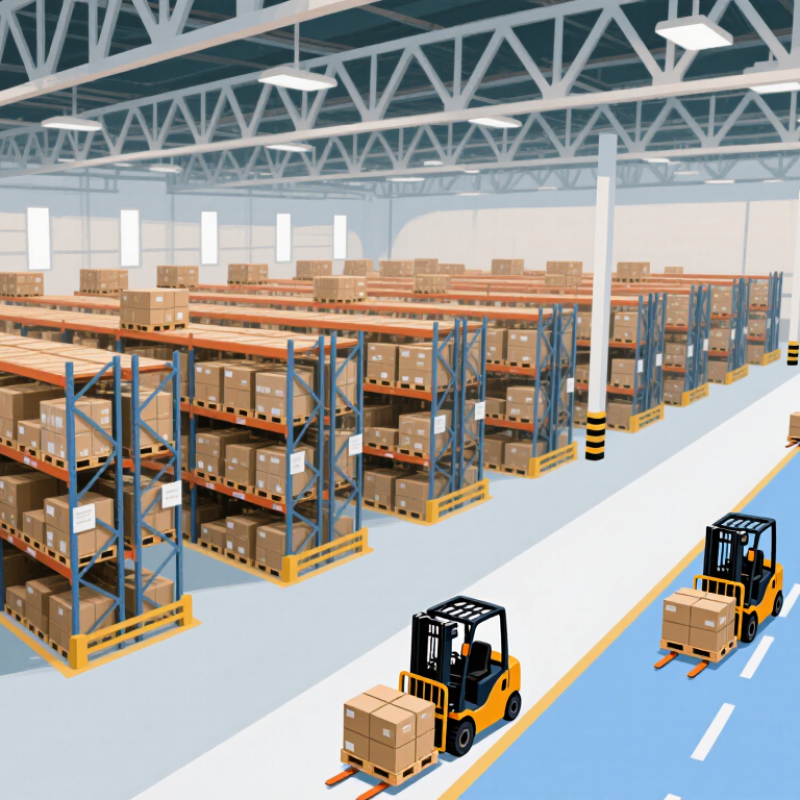
How to Choose a Pallet Storage Racking System?

Measure 48 × 40-Inch GMA Pallets and Your Actual Unit Loads

How to Choose a Pallet Storage Racking System?

Measure 48 × 40-Inch GMA Pallets and Your Actual Unit Loads

A 48 × 40-inch GMA pallet is a starting point, not a complete rack specification. Measure the loaded pallet, including any cartons or products that overhang its edges. Check both orientations; the load may fit differently when turned. Record overall height from the floor to the highest point, and weigh a typical full load. Then inspect the tallest, heaviest, and least stable loads. Real warehouse stock is rarely identical.

Tips: Use a tape measure. Check several loads, not just one. Note damaged pallets and loose wrapping, too.

Use these measurements to discuss beam spacing, rack depth, and operating clearance with a qualified rack professional. Allow room for forklift placement without making openings so generous that storage capacity suffers. Confirm that loads sit fully supported and do not extend into aisles or interfere with nearby equipment. A few centimeters can matter. If your inventory changes by season, measure those loads too; that step is easy to overlook. Recheck dimensions after packaging or pallet patterns change, because yesterday’s neat unit load may not match today’s.

How to Choose a Pallet Storage Racking System?

Measure 48 × 40-Inch GMA Pallets and Your Actual Unit Loads

A standard 48 × 40-inch pallet has a nominal footprint of 1,920 square inches (13.33 square feet). These figures describe the pallet, not the complete unit load. Before choosing rack dimensions, measure loaded pallets—including any overhang—and record load height and weight.

Calculate Rack Capacity Using ANSI/RMI MH16.1 Design Criteria

Choosing a pallet rack by multiplying beam levels by a guessed load limit can produce a misleading capacity. ANSI/RMI MH16.1 sets structural design criteria for industrial steel storage racks; it is not a simple capacity calculator. Start with the actual rack layout: bay width, beam elevations, frame depth, upright height, and the number of loaded levels. Record the heaviest pallet load, including its contents and pallet, rather than relying on an average.

For each beam level, consider how the load is supported and distributed. A pair of beams may carry a stated load only under specified conditions, such as an evenly distributed load and correct beam connections. Concentrated loads, uneven pallets, impact, or altered beam positions can change the design assumptions. Upright frames also need evaluation for the total loads transferred through the beams, along with bracing, base plates, anchors, and applicable seismic conditions. Small details matter.

Use the applicable MH16.1 edition and have a qualified rack design professional verify the configuration and load ratings. A capacity estimate from dimensions alone is not a safe approval. Keep the final load plaques consistent with the approved layout, and review them when storage patterns change. I would recheck the assumptions, too; busy warehouses rarely stay exactly as drawn.

Select a Rack Type by Pallet Selectivity and Storage Density

How to Choose a Pallet Storage Racking System?
Select a Rack Type by Pallet Selectivity and Storage Density

A useful starting point is how often each pallet must be reached. Selective pallet racking gives operators direct access to every pallet, making it practical for mixed products and frequent picking. The trade-off is wider aisles and lower storage density. That matters.

When many pallets share a small number of stock-keeping units, double-deep racking can store pallets two positions deep. It saves aisle space, but operators need compatible equipment and must retrieve the front pallet before reaching the one behind it. Drive-in racking increases density further by allowing a forklift to enter the rack lane. It can suit larger batches, though access is less flexible and careful driving becomes essential.

For goods with steady movement, pallet-flow systems use inclined rollers to move loads toward the picking face. Push-back systems store pallets several positions deep and may work well when products are grouped by type. Neither is automatically the best choice. Check pallet dimensions, load weights, forklift turning space, and stock rotation before comparing layouts. Aisle plans can look efficient on paper but feel cramped during a busy shift. Walk the proposed route with operators, and allow room for damaged pallets or uneven loads. The right balance depends on real access needs, not just the maximum number of pallet positions.

Set Aisle Widths to Match Forklift Turning Radius and Load Size

Aisle width should be based on the forklift, the load, and the way both move through the rack layout. A turning-radius figure alone is not enough. Check the equipment specifications, then account for pallet dimensions, load overhang, and the space needed to approach each slot. A wide load can catch a rack upright even when the truck itself clears the turn.

Measure the route at its tightest point, including intersections and end-of-aisle turns. Leave operating clearance around the truck and load, following the forklift manufacturer’s guidance and your site’s safety requirements. Guessing is risky. A few extra centimeters can matter when a driver is positioning a tall pallet or correcting a turn. I would recheck the layout with the actual forklift and a representative load; drawings can make a narrow aisle look more forgiving than it is.

Before installing the system, mark the proposed aisle edges on the floor. Have a trained operator drive the route slowly, approach rack locations, and turn with the largest routine load. Note where visibility, steering, or pallet overhang creates difficulty. Test it physically. If the operator needs repeated adjustments, the aisle may be too tight, or the turning path may need redesigning. Record the truck model, load dimensions, and clearances used so future layout changes do not rely on memory.

Verify Rack Stability and Safe Storage under OSHA 1910.176(b)

OSHA 1910.176(b) requires stored materials to be stacked, blocked, interlocked, and limited in height so they remain stable and secure against sliding or collapse. When choosing pallet storage racks, start with the loads you actually handle. Check pallet dimensions, product weight, and how loads sit on each beam. Small details matter. A heavy case positioned off-center can affect stability.

Verify that rack capacity information matches the planned configuration and load. Uprights, beams, bracing, anchors, and locking devices should follow the system’s specifications. Keep pallets within beam limits, with loads centered and evenly distributed. Do not assume every level can hold the same weight. Confirm that forklifts can place and retrieve pallets without striking the frame, and that aisles allow safe movement.

Inspect racks and pallets regularly. Look for bent uprights, loose anchors, damaged beam connectors, cracked boards, and loads leaning beyond pallet edges. After an impact, take the affected bay out of service until a competent person assesses it. No rack stays perfect. Inspection schedules can slip, so make checks part of routine warehouse work and record repairs. OSHA sets the stability principle; rack-specific capacity and repair decisions need reliable design information and qualified judgment.

FAQS

Why is a 48 × 40-inch pallet not enough information for choosing a rack?

The pallet size is only a starting point. Measure the loaded unit, including cartons that overhang its edges. Check both orientations.

What measurements should I record for each load?

Measure from the floor to the load’s highest point, and weigh the full pallet. Check several examples, including tall, heavy, unstable, or damaged loads. Use a tape measure.

How much clearance should I leave around pallets?

Allow room for forklift placement and keep loads clear of aisles and nearby equipment. A few centimeters can matter. The exact allowance depends on the equipment and layout.

Which rack type suits frequent access to many different products?

Selective racking provides direct access to each pallet. It works well for mixed stock and frequent picking, but usually needs wider aisles. That trade-off matters.

When might deeper-storage rack systems be useful?

Double-deep, drive-in, push-back, or pallet-flow systems can increase storage density. Each affects access differently. Check stock rotation, forklift space, and product grouping before choosing.

Can I estimate rack capacity by multiplying beam levels by a load limit?

No. Capacity depends on the full rack layout and its design assumptions. A qualified rack professional should verify the configuration and ratings.

Why do load distribution and pallet condition matter?

Uneven or concentrated loads can change how beams and frames carry weight. Damaged pallets and loose wrapping deserve attention, too. Small details matter.

When should I recheck rack measurements and ratings?

Recheck after packaging, pallet patterns, or seasonal inventory change. Keep load plaques aligned with the approved layout. I would recheck sooner than seems necessary; busy shifts make changes easy to miss.

Conclusion

Choosing a Pallet Storage Racking System starts with understanding what it will hold. Measure standard 48 × 40-inch GMA pallets as well as the actual dimensions and weights of your loaded units, including any overhang. These details help establish suitable beam positions and capacity requirements. Use the applicable ANSI/RMI MH16.1 design criteria to evaluate rack capacity and ensure the configuration is planned for the loads it will support.

Next, compare rack types according to how quickly and directly each pallet must be accessed, balancing selectivity with storage density. Set aisle widths to accommodate the forklift’s turning radius and the size of loaded pallets, allowing equipment to maneuver safely. Before use, verify rack stability and follow safe storage practices under OSHA 1910.176(b). A well-matched system brings together accurate load measurements, appropriate capacity, efficient access, practical aisle spacing, and safe operation.

Ethan

Ethan

Ethan is a professional marketing specialist who brings a strong understanding of the company’s products and the needs of the customers they serve. He regularly contributes expert articles to the company website, sharing practical insights, clear product information, and helpful guidance to support......