Why Carton Flow Racking Is Often the Best Fit for E-commerce Order Picking
Global buyers usually ask three questions: will it speed up picking, will it fit our SKU mix, and can it grow with our order volume? Carton flow answers all three when it is engineered around real data.
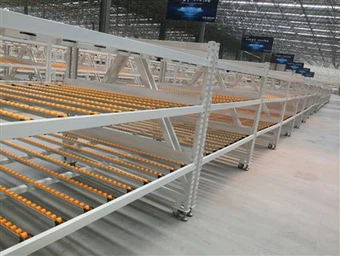
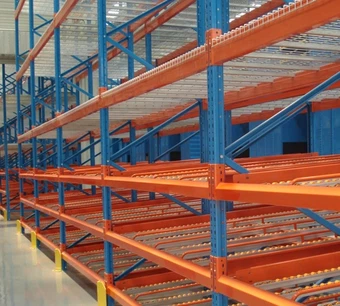
In e-commerce fulfillment, picker travel is a hidden cost. An associate may spend more time walking between locations than taking the product itself. Carton flow racking reduces this waste by concentrating many active SKUs into a compact pick face. Full cartons move forward automatically, so the next item is always within easy reach. The result is not simply a denser rack; it is a better order-picking process. Picking from a live flow lane can reduce search time, reduce empty pick faces and make replenishment more predictable.
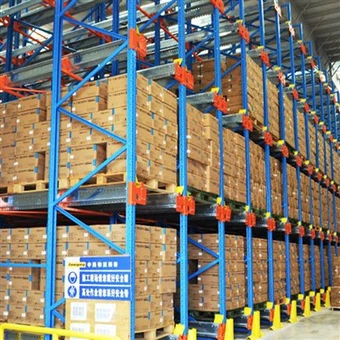
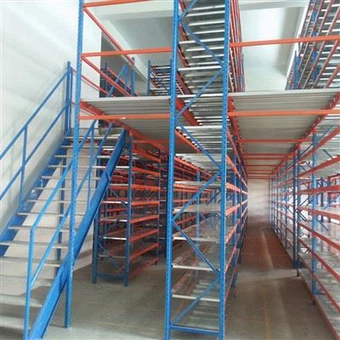
Carton flow also improves space utilization. Instead of dedicating an aisle to static shelving, the operation can build a multi-level pick module with flow lanes, aisles, stairs, conveyors and order consolidation areas. For e-commerce businesses facing high rent, limited building height or expansion constraints, this can delay the need for a larger warehouse. In cold-chain, pharmaceutical, beauty and retail replenishment environments, FIFO presentation also supports batch control, date-code rotation and cleaner inventory discipline.
Less Walking, Faster Picks
Active SKUs are concentrated at the pick face, so associates spend less time traveling and more time picking. Multi-level modules can be arranged by order frequency and pick logic.
FIFO by Design
Cartons are replenished from the rear and picked from the front. First stock in is first stock out, supporting date codes, promotions and inventory rotation without extra handling.
High Pick-Face Density
Flow lanes use vertical and horizontal space efficiently. Modular bay widths and lane dividers allow the pick face to match carton sizes instead of wasting cubic space.
Automation-Ready
Pick-to-light, barcode labels, RFID readers, sensors, conveyors and AMR interfaces can be coordinated with the racking layout and WMS process from the design stage.
Information gain for buyers: do not specify a carton flow system by bay count alone. Ask for a lane-by-lane analysis based on the real carton population, order velocity and replenishment method. That is the difference between a rack that holds cartons and a pick face that consistently delivers the target pick rate.