What Makes a Pallet Racking Factory Truly Export-Ready?
China is one of the world’s largest sources of industrial pallet racking systems, but “best factory” should never be judged by price per kilogram alone. A racking system is a structural product. Its performance depends on upright section design, beam-to-column connections, steel grade, weld quality, coating adhesion, anchor specification, seismic calculation, container loading method and installation control.
For importers, distributors, 3PL operators and project contractors, the real question is whether a Chinese exporter can document these variables and take responsibility for the complete storage solution. Lottot Storage Solutions Co., Ltd. has manufactured racking since 2007, exporting at least 600 containers every year and completing more than 3,500 warehouse solutions. Our experience shows that successful procurement is built on three pillars: engineering accuracy, verified quality and predictable delivery.
This guide explains how to evaluate a factory, which systems fit which storage profiles, what is changing in global procurement, and the technical questions that separate a low-cost quote from a low-risk investment.
Engineered Load Path
Every beam level, upright, bracing and base plate must be checked against actual pallet load, deflection limits and forklift impact assumptions. A factory without documented load calculations is simply selling steel.
Compliance Evidence
CE, ISO, RMI and project-specific documentation should be available before shipment, not after installation. Certification is not decoration; it is part of supplier due diligence.
Export Logistics Control
Container loading plans, packing lists, installation drawings and part labels are not optional extras. They determine whether an overseas project installs smoothly or stalls on site.
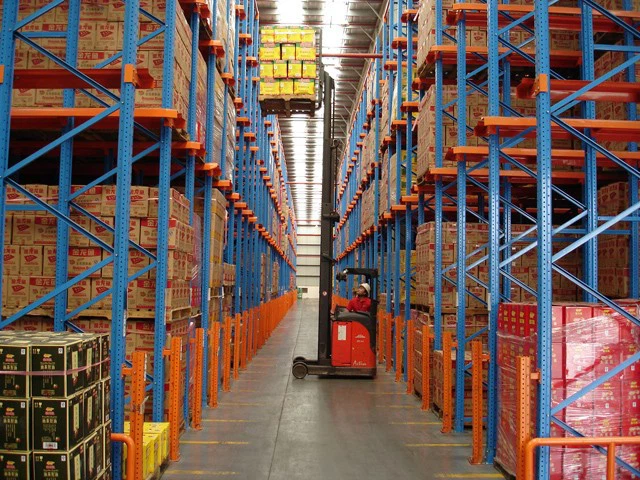
Inside Lottot Storage Solutions Co., Ltd.
Lottot is a manufacturer, not a middleman. Since 2007, we have designed and produced industrial pallet racking systems in our own facility, with 20+ automatic roll-forming lines, 30,000+ tons of annual output and 600+ containers exported each year. Our engineers work directly with distributors, contractors and end users, so the team that calculates your load capacity is the same team that builds, inspects and ships the system.
This direct model reduces communication loss, improves accountability and protects project schedules. It also allows us to provide free 2D/3D layout design, itemized quotations within 48 hours, production in 10–15 days after drawing approval and a 10-year warranty against quality issues caused by our design, manufacturing, transportation or installation guidance.
- Patented racking products with independent intellectual property
- CE and ISO certified materials and quality management
- 20+ automatic roll-forming lines for profile consistency
- Free warehouse layout and load calculation support
- Export documentation and installation drawings included
- Factory-direct pricing with no trading layers
Recommended Industrial Pallet Racking Systems for Export Buyers
Choose by pallet turnover, SKU count, building height and pick strategy. The best system is not always the densest system; it is the one that lowers total cost per pallet stored and retrieved.
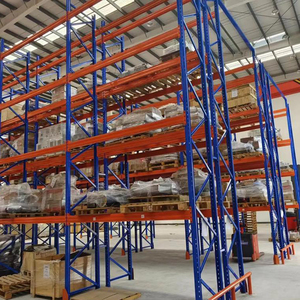
Heavy-Duty Steel Warehouse Storage Racks CE Certified AU Standard Pallet Racking System for Logistics Center
High-capacity pallet racking for logistics centers, distribution hubs and fast-moving warehouse operations.
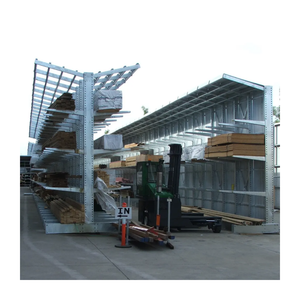
OEM ODM CE Heavy Duty Steel Cantilever Rack for Lumber Storage Industrial Outdoor Cantilever Racking
Long-load storage for lumber, profiles and building materials where front access and outdoor use matter.
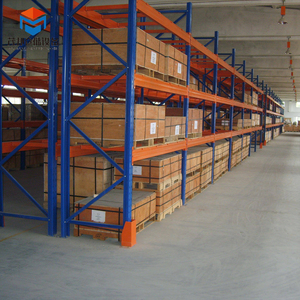
Warehouse Pallet Racking Selective Heavy Duty Industrial Storage Rack System Durable Q235 Steel Shelf Equipment
100% direct access to every pallet. A versatile Q235 steel system for distributors with many SKUs.
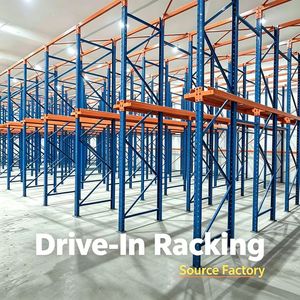
Drive-in Pallet Storage Racking System for Bulk Goods in Industrial Warehouse
Eliminate working aisles for homogeneous, high-volume products, seasonal stock and bulk storage.
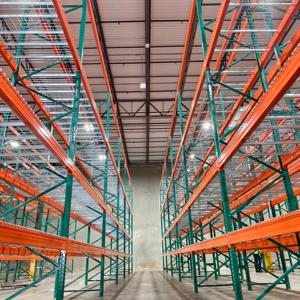
High-Load RMI Certified Industrial US Inventory Warehouse Rack Heavy-Duty Teardrop Pallet Rack System for Heavy Cargo
US-style teardrop racking for heavy cargo, high-load bays and projects requiring RMI-related documentation.
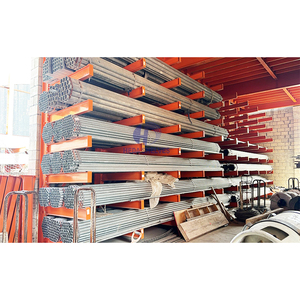
Maximum Storage Rack Heavy Duty Cantilever Racking System for Storing Long Pipes Lumber Adjustable Arms
Adjustable arms and open-front access for pipes, timber, steel bars and other non-palletized long loads.
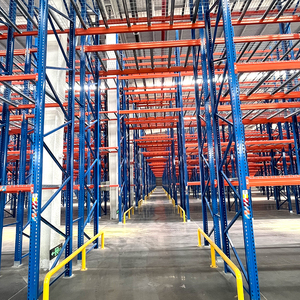
Jracking Industrial Warehouse Racks EURO Standard Steel Pallet Racking for Heavy Industry CE Certified
Euro-standard steel pallet racking for heavy industry, manufacturing plants and structured warehouse layouts.
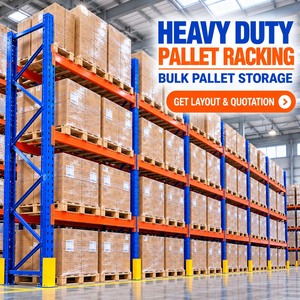
Heavy Duty Pallet Rack Supplier for Bulk Warehouse Storage
Factory-direct heavy-duty pallet rack supply for bulk warehouses, expansion projects and multi-site rollouts.
What Buyers Will Demand from Chinese Racking Exporters in 2025–2030
Procurement is shifting from the lowest landed price toward lower lifetime risk. The following trends are already visible in tenders from Latin America, the Middle East, Southeast Asia and Africa.
Total Cost of Ownership
Buyers are comparing installation speed, spare-part availability, repair cost, coating durability and future expansion flexibility, not just the quotation total.
Seismic Accountability
Projects in Chile, Peru, Mexico and Central America increasingly require rack calculations tied to site seismic zones, slab data, bracing and anchor design.
Automation-Ready Layouts
Even manual warehouses now request modular designs that can later integrate shuttle systems, conveyors, WMS controls or AS/RS interfaces without a complete rebuild.
Corrosion and Cold-Chain Performance
Coastal humidity, tropical climates and frozen rooms are driving demand for hot-dip galvanizing, pre-galvanized steel and verified powder-coating systems.
Digital Documentation
3D layouts, CAD blocks, itemized bills of materials and virtual warehouse simulations shorten approval cycles and reduce installation errors.
Logistics Responsiveness
Nearshoring, port congestion and freight volatility make container loading plans, Incoterm flexibility and production speed as important as product quality.
How Industrial Pallet Racking Systems Are Evolving
The next generation of racking products is being shaped by density, safety intelligence, modularity and sustainability.
Hybrid High-Density Storage
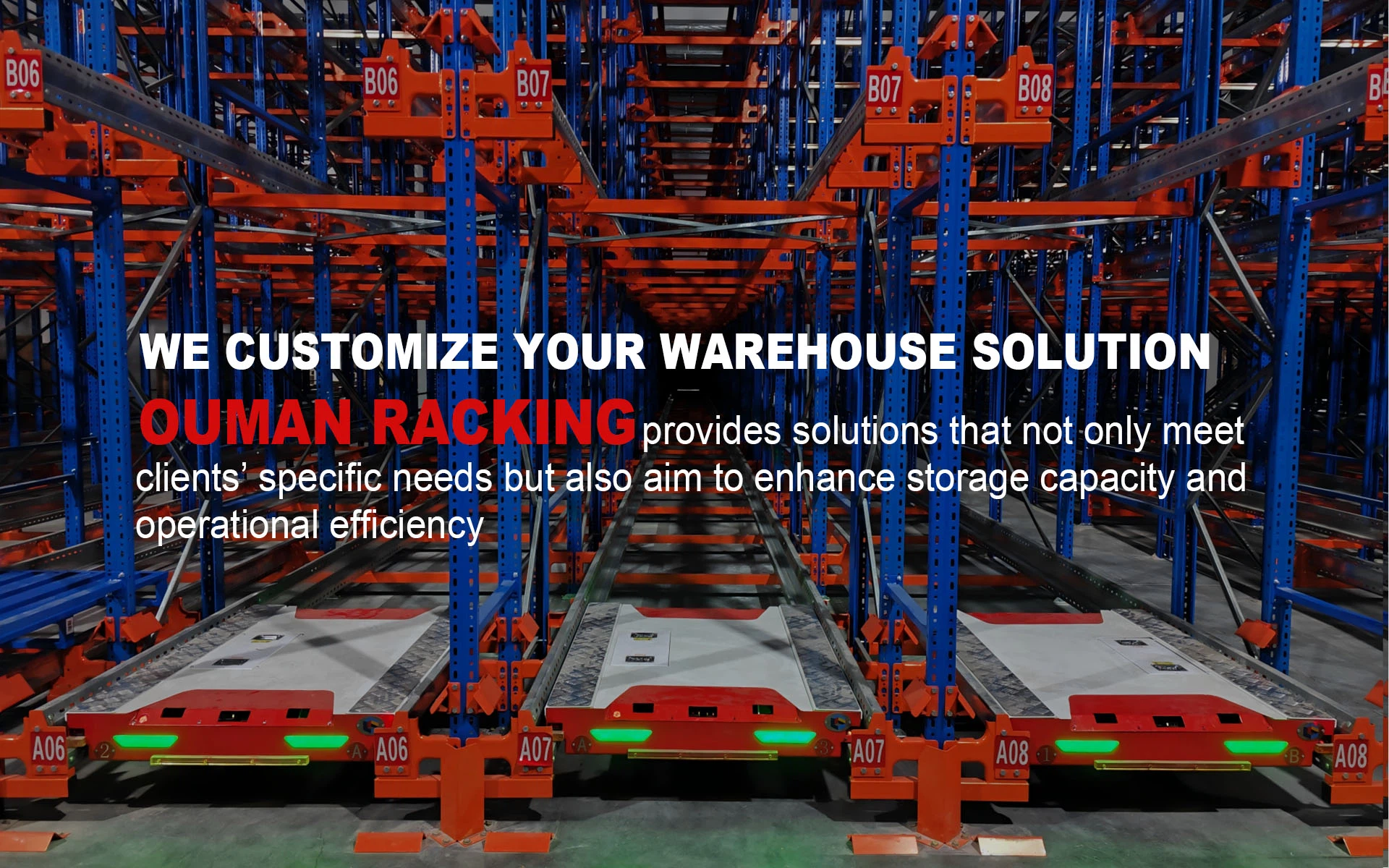
Warehouses are combining selective, drive-in, push-back and radio shuttle zones to balance SKU access with floor utilization.
Smart Safety Monitoring
Load sensors, impact detection and digital inspection logs are moving from pilot projects into high-value warehouses.
Modular Mezzanines
Rack-supported platforms and steel mezzanines are becoming standardized modules for picking, offices and light storage.
Sustainable Steel and Coatings
Lower-carbon steel, recyclable profiles and durable coating systems are becoming procurement criteria for global brands.
Specification Data That Protects Safety and ROI
A credible racking quotation should be traceable to data. Before comparing suppliers, ask for the load assumptions, beam deflection limits, upright capacity, anchor specification and the intended installation sequence. This is where experienced exporters differentiate themselves from catalog sellers.
Utilization ranges are indicative and depend on pallet size, aisle width, building height, fire code and handling equipment.
Get a QuoteFrom Requirement to Container: A Four-Step Export Workflow
A transparent process reduces re-quotes, production delays and installation risk.
Share Requirements
Send your floor plan, pallet data, load weight, forklift type, building height and destination port.
Layout and Quote
Receive a free 2D/3D layout, load calculation and itemized quotation, normally within 48 hours.
Production and QC
Manufacturing usually takes 10–15 days after drawing approval, with inspection before packing.
Shipping and Support
Optimized container loading, export documents, installation drawings and remote or on-site guidance.
Frequently Asked Questions from Global Pallet Racking Buyers
These are the questions serious buyers ask before placing an industrial racking order with a Chinese factory.
Are you a factory or a trading company?
What certifications and standards can you provide?
Can you customize OEM/ODM racking systems?
What is the lead time and minimum order quantity?
How do you handle seismic design and installation?
What warranty and shipping support do you provide?
Get a Pallet Racking Layout and Itemized Quote Within 48 Hours
Send your warehouse drawing, pallet size, load weight, handling equipment and destination port. Our engineers will recommend a practical system, calculate the layout and prepare a transparent quotation for your project.