8 Industrial Shelving & Racking Products Buyers Compare Before Sending an RFQ
The shortlist below covers selective pallet access, high-density storage, boltless shelving, cold-storage protection, custom steel racking and drive-in systems. Each product is manufactured in our own plant, prepared for export packing and supported by drawings that match your building, pallet load and forklift aisle.
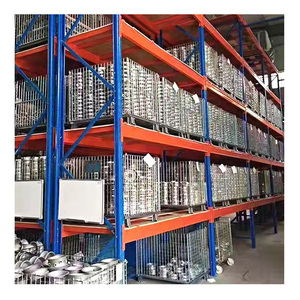
Pallet Racking Warehouse Storage Heavy Duty Industrial Pallet Shelf Narrow Aisle Selective Warehouse Racking System
High-bay selective racking for warehouses that need dense pallet storage without losing direct access. The heavy-duty frame and beam design suits distributors, 3PLs and export DCs.
View product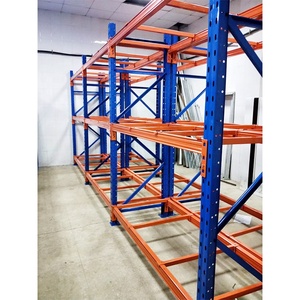
Steel Shelving Adjustable Metal Boltless Shelf Pallet Storage Use Metal Racking Stacking Racks & Shelves
A boltless metal shelving system for pallets, cartons and spare parts. Adjustable levels, fast assembly and powder-coated steel make it practical for export warehouses requiring quick installation.
View product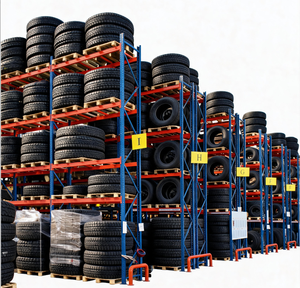
Custom Heavy Duty Industrial Pallet Racking Load Capacity Warehouse Pallet Shelving Q235 Steel Beam Type Adjustable Powder Rack
Custom Q235 steel pallet racking with adjustable powder-coated beams. Engineers size uprights, beams and accessories around your load capacity, pallet profile and handling equipment.
View product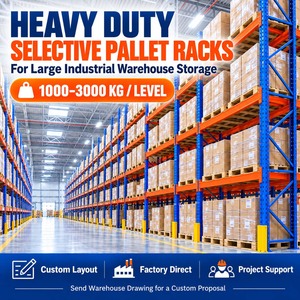
Heavy Duty Selective Pallet Racks for Large Industrial Warehouse Storage
Heavy-duty selective pallet racks for large industrial warehouses. The system provides 100% SKU selectivity, straightforward forklift access and room for future bay expansion.
View product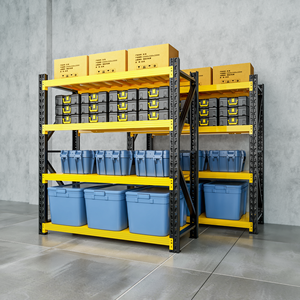
High Quality Metal Stacking Racks Shelves Industrial Warehouse Storage Rack Shelving Units for Garages-Available
Versatile metal stacking racks and shelving units for garages, workshops and industrial stores. Suitable for mixed carton and palletised storage where a compact footprint matters.
View product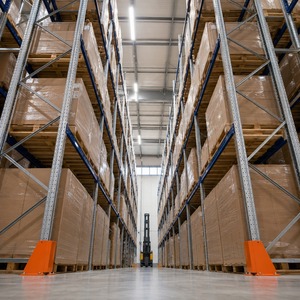
Heavy Duty Warehouse Rack Schwerlastregal Steel Storage Racks Industriales Q235B Steel Porta Paletes for Cold Storage
Cold-storage warehouse racking manufactured with Q235B steel and corrosion-conscious coating. The design can be adapted for chilled or frozen rooms, high humidity and temperature cycles.
View product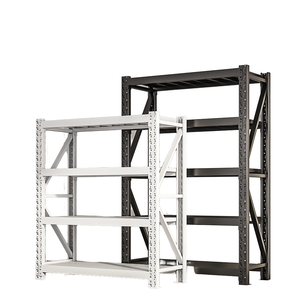
Customized Heavy-Duty Industrial Rack 5-Layer Iron Metal Storage Shelf for Warehouse Storage Steel Display Shelving
A customized five-layer industrial storage rack for warehouse storage and steel display shelving. The multi-level structure suits slower-moving SKUs, retail backrooms and spare-parts warehouses.
View product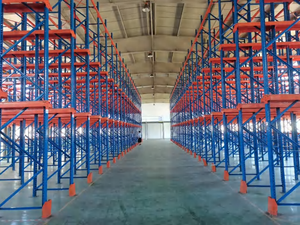
Custom Drive-in Pallet Racking System Industrial Steel Rack Electrostatic Powder Coating Forklift Access Storage Rack
Drive-in pallet racking with electrostatic powder coating and forklift access. High-density lanes reduce aisle space for homogeneous pallets, seasonal stock and beverage or agricultural products.
View productWhy Lottot Racks Is a Trusted Industrial Shelving Manufacturer, Not a Trading Intermediary
Lottot Storage Solutions Co., Ltd. has designed and manufactured industrial storage systems since 2007. The company exports at least 600 containers per year, has delivered more than 3,500 warehouse solutions and serves more than 60 countries, with a strong focus on Mexico, Central America and South America. That matters because the engineering team calculating your load capacity, the factory producing your uprights and beams, and the export team preparing your documents work inside the same organisation.
Buyers dealing with a middleman often receive a catalogue price first and an engineering compromise later. A factory-direct model reverses that sequence: the design starts with your pallet weight, beam deflection limits, forklift aisle, floor slab and local seismic requirements. The result is a system that can be quoted with confidence, inspected before packing and supported after installation.
- Patented racking products with independent intellectual property
- 20+ automatic roll-forming lines and 10–15 day production
- CE and ISO certified materials and quality management
- Free 2D/3D layout and itemised quotation within 48 hours
- Seismic-aware engineering for Chile, Peru, Mexico and Central America
- Customs-ready documents and Spanish or Portuguese labels on request
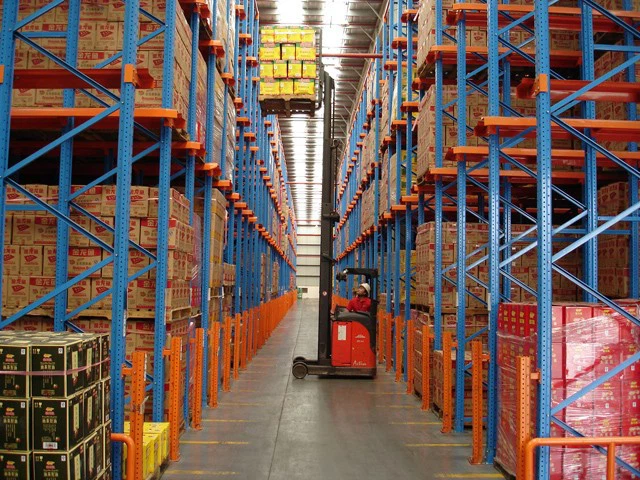
Specification-Led Recommendations: Match the Shelving System to the Load, SKU Count and Building
Purchasing teams should not start with a product name. Start with the operating constraint: pallet selectivity, storage density, aisle width, temperature, load weight and local structural requirements. The table below translates those constraints into a first recommendation before a formal RFQ.
| Operating profile | Recommended system | Why it fits | Procurement note |
|---|---|---|---|
| High SKU count, 100% access | Selective pallet racking | Direct access to every pallet and simple forklift operation. | Confirm beam load, upright capacity and aisle width before comparing price. |
| Homogeneous pallets, cold chain or beverage | Radio shuttle or drive-in racking | Higher storage density and reduced aisle loss. | Define FIFO or LIFO, battery charging plan and forklift access. |
| Cartons, spare parts and e-commerce picking | Boltless shelving, carton flow or mezzanine | Fast pick faces and better use of vertical space. | Ask for shelf load ratings and future reconfiguration options. |
| Limited footprint, growing inventory | Mezzanine racking | Adds a second or third working level without expanding the building. | Check floor slab, staircase, guardrail and access gate requirements. |
| Long loads, pipes or profiles | Cantilever racking | Clear front access and no obstruction from front columns. | Verify arm load, base length and outdoor coating specification. |
| Seismic zone or high wind exposure | Reinforced selective or drive-in system | Additional bracing, anchors and row spacers improve structural control. | Provide seismic zone, soil class, slab data and local code references. |
| Distributor or contractor export order | Knock-down racking with itemised BOM | Efficient container loading and easier site assembly. | Request packing list, part labels, installation drawings and spare parts list. |
Final structural validation should be completed by a locally licensed engineer where required by national or municipal regulations.
Procurement Trends Shaping Industrial Shelving Purchasing Through 2026
Industrial shelving is no longer bought only on price per bay. Export buyers now compare engineering documentation, container efficiency, compliance risk and after-sales support. These are the shifts influencing supplier selection.
Nearshoring is shortening decision cycles
Mexico, Central America and parts of South America are attracting manufacturing and distribution investment. Buyers need suppliers who can return layouts quickly, communicate in English, Spanish or Portuguese and prepare shipment documents without repeated clarification.
Total cost of ownership is replacing the lowest unit price
Experienced buyers compare steel thickness, coating quality, container fill, installation time, spare-parts availability and warranty terms. A lower initial quote can become more expensive if beams are under-specified or components arrive with poor labelling.
Seismic and local building compliance is a screening question
Purchasing teams in Chile, Peru, Mexico and Central America increasingly request seismic zone data, anchor specifications and slab assumptions. Suppliers that ask for these details before quoting reduce redesign risk and local approval delays.
Cold-chain and humidity resistance influence coating choice
Fruit, seafood, dairy and beverage warehouses require corrosion-conscious surface treatment. Buyers now ask whether phosphating, electrostatic powder coating, pre-galvanized steel or hot-dip galvanizing is appropriate for the actual environment.
Automation-ready racking is specified earlier
Even when a project begins as manual storage, owners ask whether the layout can later accept radio shuttle, AS/RS or AGV interfaces. Designing for future automation is cheaper than demolishing and rebuilding a racking layout.
Supplier transparency is now a risk-control requirement
Distributors request itemised bills of material, factory evidence, pre-shipment inspection reports, packing lists, certificates of origin and clear warranty exclusions. Transparency shortens approval cycles with banks, insurers and project owners.
Product Development Trends: What the Next Generation of Industrial Shelving Will Include
The direction is clear: stronger engineering, better documentation, more flexible interfaces and lower lifetime risk. These developments are already visible in export tenders and distributor enquiries.
High-density storage with semi-automation
Radio shuttle and drive-in systems continue to replace part of the selective racking fleet when pallet variety is low. The next step is selective automation of pallet movement without a full AS/RS investment.
Modular racking for retrofit and expansion
Warehouses need to expand in phases. Modular uprights, beam levels and accessories allow a project to grow without replacing the entire system, provided the original frame capacity has been calculated correctly.
Corrosion-resistant materials for ports and cold rooms
Coastal humidity, tropical weather and freezer condensation accelerate coating failure. Pre-galvanized components, hot-dip galvanizing and improved phosphating are becoming standard options rather than exceptions.
Engineered steel profiles, not over-specified steel
Buyers are learning that thicker steel is not always stronger or safer. The real gain comes from correct roll-forming, controlled tolerances, beam-to-column connections and load testing against an approved specification.
Digital documentation and traceable components
QR-coded parts, installation manuals, BIM-friendly drawings and digital packing lists reduce site errors. For export projects, this documentation is as important as the steel itself when multiple contractors are involved.
Integrated safety accessories
Row spacers, upright protectors, corner alarms, pallet gates, guardrails and clear load signs are now specified at the design stage. Safety accessories protect both people and the structural performance of the racking system.
E-E-A-T in Practice: Factory Capability, Quality Control and Export Experience
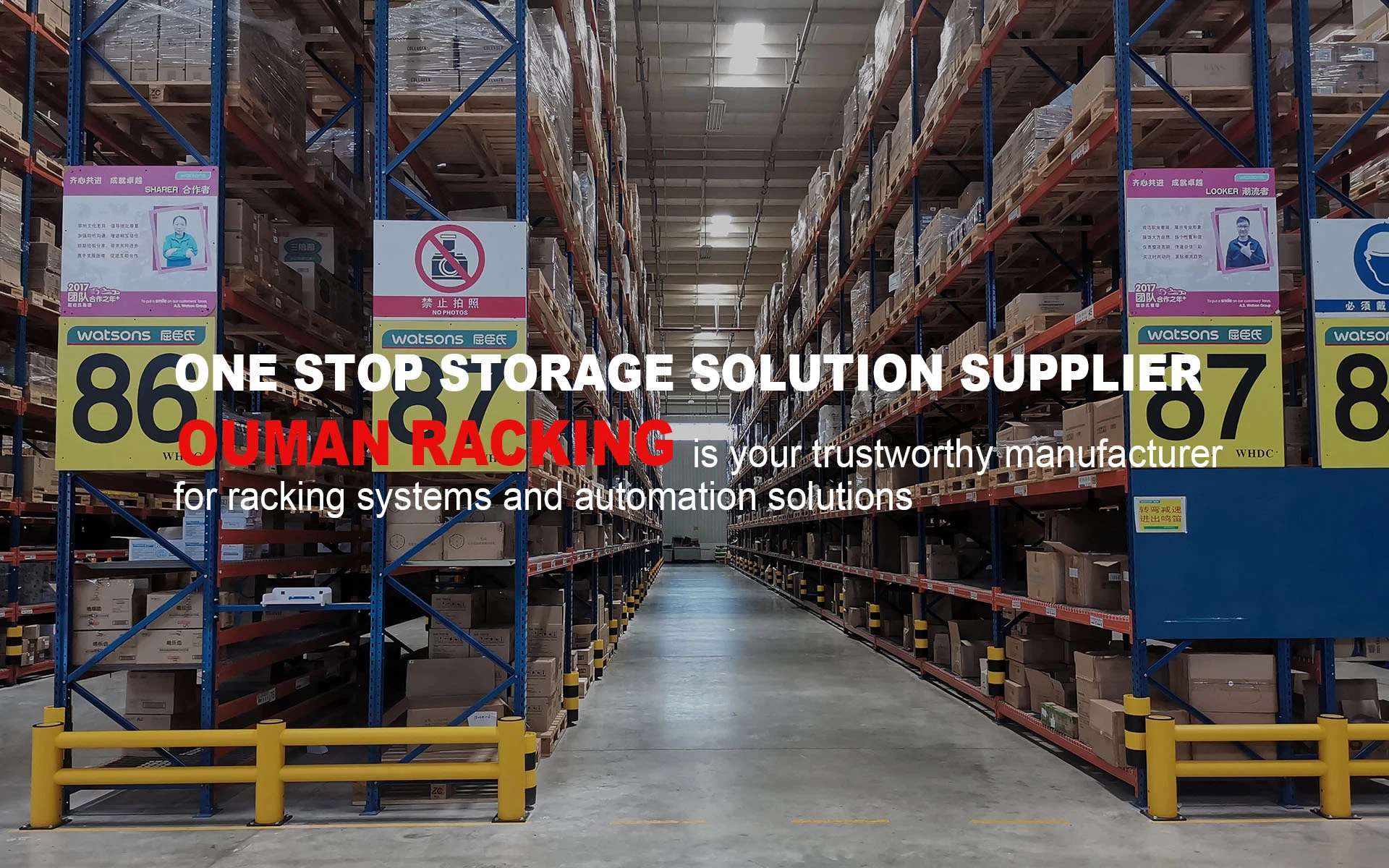
A supplier’s credibility should be visible in its process. Our production and export workflow is built to reduce the most common risks in overseas industrial shelving projects: inaccurate drawings, inconsistent profiles, inadequate packing and unclear responsibility after shipment.
Raw material
Steel grade, thickness and coating inputs are checked against the approved specification.
Roll forming
20+ automatic roll-forming lines support consistent profiles and repeatable production quality.
Coating
Phosphating pre-treatment and electrostatic powder coating are controlled for adhesion and finish.
QC check
Dimensions, welding, hole pitch and accessory fit are inspected before packing.
Export packing
Labels, packing lists and container loading plans reduce site confusion and transit damage.
Export Advantages for Distributors, Contractors and 3PL Operators
The best industrial shelving manufacturer for export is not simply the lowest-cost factory. It is the supplier that can engineer for the destination, prepare accurate documents and support installation after the container arrives.
Seismic-Ready Engineering
Upright, bracing and anchor calculations can be prepared using your seismic zone, soil class and floor slab data. Reinforced base plates, heavier bracing, row spacers and chemical anchors are specified where needed.
Corrosion Protection
Standard components receive phosphating pre-treatment and electrostatic powder coating. For coastal ports, humid tropics and cold rooms, hot-dip galvanized or pre-galvanized options are available.
Port-to-Port Logistics
Container loading plans are prepared to maximise payload. We support FOB, CFR or CIF terms, with DDP available on request to major Latin American ports including Manzanillo, Colón, Cartagena and Callao.
Customs-Ready Documents
Commercial invoice, packing list, bill of lading and certificate of origin are prepared accurately. Spanish or Portuguese part labels can be added to support faster site identification and customs clearance.
Indicative Lead Times to Major Central & South American Ports
Plan the project timeline with realistic figures. Total lead time = production after drawing approval + ocean transit + local customs clearance. The ranges below are indicative and should be confirmed for each quotation.
| Destination | Main ports | Indicative ocean transit | Typical racking demand |
|---|---|---|---|
| Mexico | Manzanillo, Lázaro Cárdenas, Veracruz | 18–30 days | Nearshoring plants, retail DCs, 3PL warehouses |
| Guatemala, El Salvador, Honduras | Puerto Quetzal, Acajutla, Puerto Cortés | 25–35 days | FMCG distribution, textiles, coffee and agro-export |
| Costa Rica, Panama | Caldera, Limón, Balboa, Colón | 25–35 days | Medical devices, free-zone logistics hubs |
| Colombia | Buenaventura, Cartagena, Barranquilla | 25–35 days | Flowers, food processing and e-commerce fulfillment |
| Ecuador, Peru | Guayaquil, Callao | 28–38 days | Seafood and fruit cold chain, mining spares |
| Chile | San Antonio, Valparaíso | 30–40 days | Seismic-rated racking, wine and agro-export |
| Brazil, Argentina, Uruguay | Santos, Paranaguá, Buenos Aires, Montevideo | 32–45 days | Automotive, beverage and large distribution centres |
Transit times vary by carrier, transshipment and season. Final schedules, port surcharges and documentation requirements are confirmed with each quotation.
The Information Gain That Prevents Re-Quotes, Redesign and Shipping Delays
Incomplete data is the most common cause of re-quotes in overseas racking projects. If you want a quotation that can be built, inspected and installed without redesign, prepare the following before contacting a manufacturer.
Industrial Shelving Procurement FAQ for Importers, Distributors and Warehouse Owners
Do you ship warehouse racking to Central and South America?
Can your pallet racking be designed for seismic zones such as Chile, Peru, Mexico and Central America?
How do you protect steel racking in humid, tropical or coastal warehouses?
What is the lead time for a racking order to Latin America?
What warranty do you provide on racking systems?
Can you customize dimensions, load capacity, colours and accessories?
What is your minimum order quantity for export distributors?
Do you provide installation drawings and on-site support?
What certifications and shipping documents are available?
How should I compare quotes from different industrial shelving manufacturers?
Send Your Warehouse Plan and Get a Buildable Racking Proposal
Share the floor plan, pallet load, forklift aisle, temperature and destination port. Our engineers will return a 2D/3D layout, load calculation and itemised export quotation within 48 hours. Distributors and contractors can also request a container-loading plan and sample documentation package.
Get CatalogLottot Storage Solutions Co., Ltd. — industrial shelving manufacturer and exporter since 2007.