Local Engineering Context
Why Beam Pallet Racking for Mexico City Is Not a Catalogue Purchase
Mexico City is one of the most demanding racking environments in the Americas. The metropolitan area sits roughly 2,240 metres above sea level on the drained bed of Lake Texcoco, where soft lacustrine clay amplifies ground motion and where the complementary technical standards for seismic design classify large parts of the city into high seismic intensity zones. For a warehouse in Iztapalapa, Vallejo, Cuautitlán Izcalli or around the AIFA cargo terminal, the anchor schedule, upright section and bracing pattern on a beam pallet rack can differ substantially from a standard export drawing that was validated for a stable inland site.
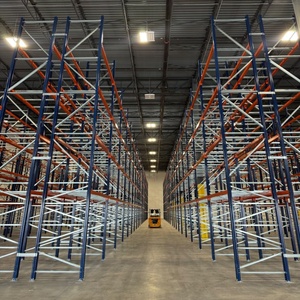
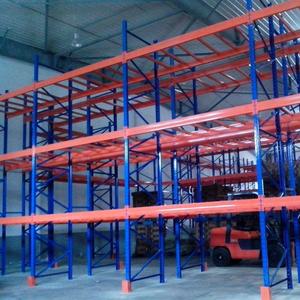
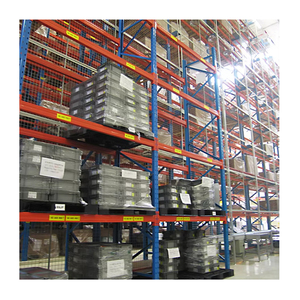
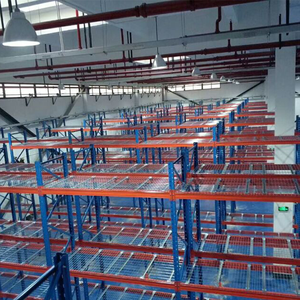
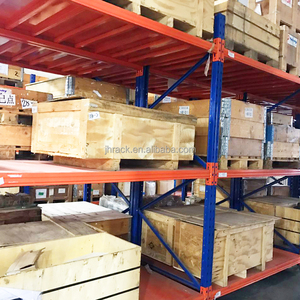
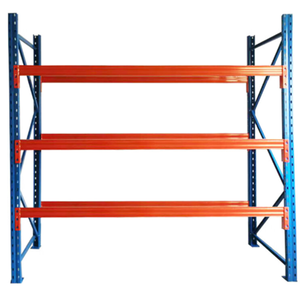
A beam pallet rack is simple in principle: upright frames, horizontal beams, safety pins and decking, with load transferred through the beam-to-upright connector into the base plate and the concrete slab. What changes in Mexico City is how each element is verified. The beam connector must survive repeated forklift impact in narrow aisles; the upright must resist local buckling under seismic drift; the base plate and anchors must transfer uplift and shear into a slab whose thickness and concrete strength vary from nave to nave.
We manufacture beam pallet racking in our own factory and export it directly to Mexican distributors, 3PL operators and project contractors. Because the engineers who calculate your load capacity are the same people who own the roll-forming lines, the design assumptions from your seismic report reach the shop floor without being rewritten by a trading company. Every Mexico City project starts with your drawings, pallet data, forklift specification, slab details and site seismic zone — and you receive a layout, itemised quotation and load basis within 48 hours, ready to hand to a locally licensed structural engineer for final validation.