Eight Racking Systems to Build a Complete Rosario Warehouse
Rosario buyers rarely need one rack type in isolation. A carton flow pick face is strongest when it is fed by reserve pallet racking, supported by mezzanine or cantilever storage, and planned with high-density systems for seasonal stock. The eight systems below are the practical building blocks we quote most often for Argentine warehouses. Every product URL is preserved; every configuration can be re-engineered around your SKU profile, pallet weights, building height and receiving pattern.
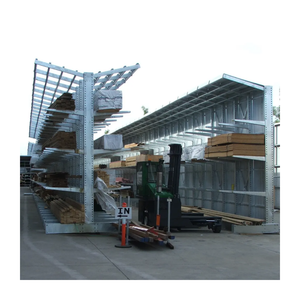
OEM ODM CE Heavy Duty Steel Cantilever Rack for Lumber Storage Industrial Outdoor Cantilever Racking
For timber, tubes, profiles and long loads. Keeps awkward material out of carton flow picking zones and frees standard racking for fast movers.
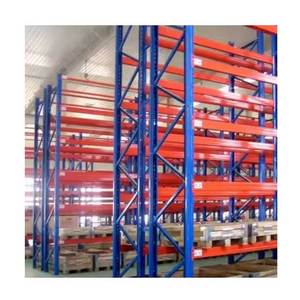
Industrial Heavy Duty Racks Pallet Racks Heavy Duty Warehouse Pallet Racking Manufacturing Companies OEM
The reserve backbone behind a carton flow aisle. Holds pallets and bulk stock while pickers replenish flow lanes from the rear.
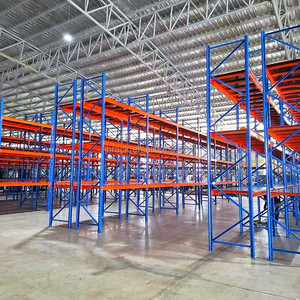
ODM Adjustable Beam Rack Industrial Heavy Duty Storage Shelves System Stacking Units Metal Rack Warehouse Steel Pallet Racking
Flexible beam levels for mixed pallet heights. Ideal where order profiles change and the warehouse needs to reconfigure without replacing uprights.
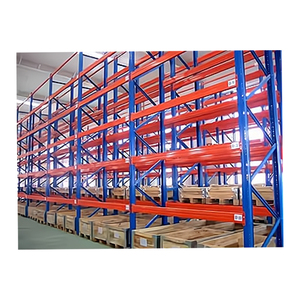
Hot Selling Heavy Duty Rack High Capacity Metal Steel Racks Heavy Duty Racking Warehouse Storage Rack
For dense pallet loads, bulk distribution and high-throughput receiving. Engineered with stable uprights and clearly specified beam capacity.
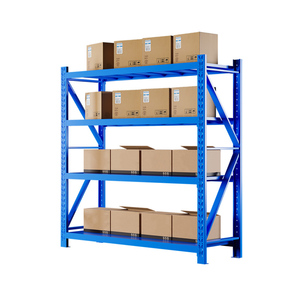
Industrial Warehouse Storage 5-Layer Pallet Racking System with Tire Rack Slotted Angle Rack Stacking Racks & Shelves
Useful for tire storage, spare parts and retail replenishment where several levels must be organised in one footprint.
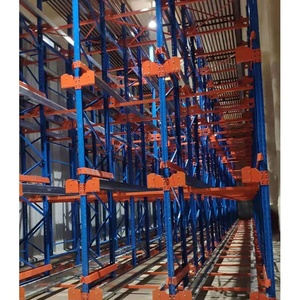
Customized Steel Pallet Rack Stacking Racks & Shelves Warehouse Storage Rack Heavy Duty Shuttle Racking for Industrial
For seasonal or slow-turnover pallets where cube utilisation matters more than direct access. Pairs well with carton flow at the pick face.
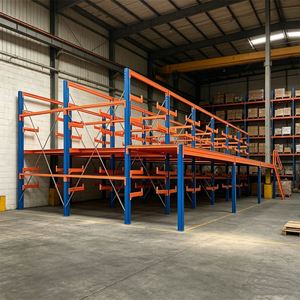
Space Efficient Industrial Cold Rolled Steel Cantilever Rack Mezzanine System for Long Material Storage Warehouse Raf
Combines long-material storage with elevated picking or light stock. A practical answer when Rosario lease costs make vertical space valuable.
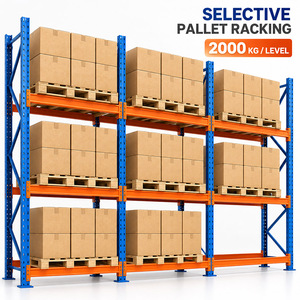
Industrial Heavy Duty Pallet Rack Warehouse Storage Racking System Adjustable Steel Rack
A reliable all-round pallet rack for distributors building a first engineered system or expanding an existing warehouse aisle.
Why Carton Flow Racking Is a Productivity Decision, Not a Shelf Purchase
Rosario sits at the centre of one of South America’s most productive agricultural and industrial corridors. From the Paraná River port complex to food processors, metalworking suppliers, automotive chains and third-party logistics operators across Greater Rosario, warehouses are being asked to ship more lines, more often, with less tolerance for picking error. The pressure is not simply storage capacity; it is the cost of every touch, every travelled metre and every minute a picker waits for replenishment.
A carton flow rack system changes that economics. Cartons ride on inclined rollers or low-friction tracks; when a picker removes the front carton, the next one rolls forward automatically. Replenishment happens from the rear aisle, so pickers stay at the pick face instead of searching for stock. The result is disciplined FIFO rotation, denser SKU presentation, shorter travel and faster onboarding of temporary staff. In a Rosario 3PL or food distributor where order profiles change weekly, that flexibility matters more than a showroom finish.
Yet carton flow only works when it is engineered as a system. Lane width, roller pitch, carton weight, pick-face height, replenishment frequency, aisle width and pallet interface must be calculated together. A lane that is too wide wastes cube; too narrow creates jams. A pick face that is too high slows picks; too low causes bending fatigue. Our engineers model these variables before quoting steel, and we recommend final validation by a locally licensed Argentine structural engineer for site-specific anchorage and building interfaces.
Rosario Fit Snapshot
Indicative fit for a medium-volume distributor with fast-moving cartons and pallet reserve. Final engineering determines exact lane design.
Where Carton Flow Racking Pays Back Fastest in Rosario
Carton flow is not limited to e-commerce. In Rosario and Santa Fe province, its strongest return often appears where many small cartons must be picked accurately from a compact face while pallet reserve remains nearby.
Agro-Industrial Inputs
Seed, crop-care and farm-supply distributors need rapid picking of boxed and bagged SKUs. Flow lanes keep batch rotation visible and reduce counter waiting during seasonal peaks.
Food, Beverage & Cold Chain
Dairy, beverages, packaged food and chilled products benefit from FIFO lanes and clear pick faces. Galvanized or protected steel can be specified for humid and cold-room environments.
Automotive & Metalworking Parts
Fasteners, components, filters and spare parts are ideal for carton flow. Picking becomes faster and more repeatable for counter staff and line-side replenishment teams.
E-commerce & 3PL Fulfilment
High SKU counts, small order quantities and urgent cut-off times reward a well-designed pick module. Carton flow reduces walking and makes temporary labour easier to train.
Pharmaceutical & Medical Distribution
Clean, organised picking lanes support batch control and product visibility. Spanish labelling, part identification and installation drawings can be prepared for local teams.
Retail & Supermarket Replenishment
Small cartons, frequent replenishment and multiple store routes fit carton flow naturally. Reserve pallet racking feeds the face while flow lanes protect presentation standards.
What Is Changing in Rosario Warehouse Procurement
Buyers in Rosario are not simply comparing price per upright. They are planning around smaller order sizes, import timing, labour retention and the need to squeeze more productivity from existing buildings.
Smaller, More Frequent Orders
Retail, pharmacy and e-commerce channels are pushing distributors toward shorter order cycles. Carton flow supports fast replenishment and fewer stockouts at the pick face.
SKU Proliferation
More variants, pack sizes and promotions create pressure on picking accuracy. Modular flow lanes allow re-slotting without rebuilding the whole system.
Height and Cube Utilisation
Rising urban lease costs encourage vertical expansion. Flow pick modules, mezzanines and high-bay pallet racking help Rosario operators defer building moves.
Factory-Direct Import Planning
Currency and import timing make buyers favour clearly itemised factory offers, container loading plans, complete documents and a supplier that controls production quality.
Labour Retention and Ergonomics
Better pick-face heights, fewer long walks and less bending improve throughput and make warehouse jobs more sustainable during peak campaigns.
Data-Ready Slotting
WMS, barcode and RF picking projects need racking that can follow product velocity. Carton flow lanes can be planned around ABC data rather than intuition.
A Three-Layer Warehouse for Rosario Distributors
The best carton flow project is not a single row of flow racks. It is a storage architecture that separates replenishment, picking and long-load storage so each activity can be engineered properly.
Layer 1: Reserve Pallet Racking
Heavy-duty selective or adjustable beam pallet racking holds incoming pallets and replenishment stock. This protects the pick face from overstocking and allows forklift drivers to replenish in batches.
Layer 2: Carton Flow Pick Module
Gravity roller lanes present fast-moving cartons at the pick face. The module can combine shelf levels, dividers and rear replenishment aisles, with roller pitch selected for carton weight and dimensions.
Layer 3: Mezzanine or Cantilever Support
Where vertical space allows, a mezzanine can add picking or light storage above. Cantilever racks handle pipes, timber and long profiles that would disrupt carton flow lanes if mixed together.
High-Density Reserve for Seasonal Stock
For seasonal or promotion-heavy inventories, radio shuttle or drive-in style planning can increase cube utilisation behind the picking area. Access rules should be agreed before layout to avoid operational conflict.
Why a Direct Factory Matters for Rosario Importers
When your supplier is an ocean away, vague promises are expensive. Rosario buyers need documented capacity, stable drawings, export experience and accountability from the same team that manufactures the steel.
Since 2007
Lottot Storage Solutions Co., Ltd. has manufactured industrial storage systems since 2007, with 3,500+ warehouse projects and 600+ containers exported each year.
20+ Roll-Forming Lines
Automatic roll-forming and controlled production tolerances support consistent upright and beam profiles, with typical production in 10–15 days after drawing approval.
CE and ISO Quality
CE and ISO certified materials and quality management, patented products and inspection before packing help protect the buyer from rework after arrival.
Free Layout in 48 Hours
Professional engineers review your building plan, pallet data and handling equipment, then prepare a free 2D/3D layout and itemised quotation within 48 hours.
10-Year Warranty Insurance. All racking products are covered for ten years against quality issues caused by our design, manufacturing, transportation or installation guidance. For Rosario projects, this is backed by itemised quotations, packaging standards, installation drawings and responsive spare-parts support.
From Rosario Floor Plan to Container Loading
A disciplined five-step process keeps engineering, production and shipping aligned. The earlier the data is shared, the fewer surprises appear at customs or during installation.
Share Requirements
Send building plan, pallet or carton data, forklift type, slab information and target SKUs.
Layout & Quote
Receive a free 2D/3D layout, load calculation and itemised quotation within 48 hours.
Production & QC
10–15 days standard production after drawing approval, with inspection before packing.
Container Loading
Optimised loading plans and export documents prepared for Argentine clearance.
Installation Support
Drawings, manuals, remote guidance or on-site supervision coordinated for your team.
Buyer’s Checklist: What to Send for an Accurate Rosario Quote
Planning Shipping Around Argentine Reality
Total lead time is not only production. It is production plus ocean transit, port handling, customs clearance and inland delivery. The route cards below are indicative planning tools, not a substitute for a freight forwarder’s confirmed schedule.
Buenos Aires Gateway + Truck to Rosario
The most common planning route for containerised racking. Ocean transit to Buenos Aires is typically followed by customs clearance and trucking to Rosario or nearby industrial parks.
Indicative total window: 32–45 days after productionMontevideo + Inland Transfer
Some carriers and consolidations route via Montevideo before inland transfer. This can be useful when sailing schedules or space allocation favour the Uruguayan gateway.
Indicative total window: 34–48 days after productionRosario / Paraná River Port Options
The Rosario port complex is strategically important for bulk and project cargo, but container service and racking discharge options must be checked per carrier and per consignee.
Availability and transit to be confirmed route by routeProduction usually takes 10–15 days after drawing approval. Ocean schedules, port congestion, customs inspection and inland trucking can change the final delivery date. We confirm loading plans and shipping documents before each shipment.
Common Local Procurement Questions
Are you a carton flow rack factory or a trading company?
Can you design a carton flow rack system for Rosario without a site visit?
What data is most important for an accurate carton flow quotation?
What is the typical delivery time to Rosario?
How do you handle Argentine import documents and Spanish labels?
Is carton flow racking suitable for cold storage or humid Rosario warehouses?
How do you protect the racking from forklift impact and local code issues?
What warranty and spare-parts support do you provide?
Can you mix carton flow, pallet racking and mezzanine racks in one shipment?
Planning a Carton Flow or Pallet Racking Project in Rosario?
Send your warehouse plan, carton data and target capacity. Our engineers will review the storage profile and prepare a free layout, load calculation and itemised quotation within 48 hours, with export documentation and shipping options for Argentina.