Port-au-Prince · Haiti · Factory-direct supply
China Wholesale High Density Pallet Racking Manufacturers & Exporter for the Port-au-Prince Market
Engineered pallet racking, cantilever racks and warehouse shelving for Haitian importers, 3PLs, cold-chain operators and building-material distributors — with free layout design, 48-hour quotations and a 10-year warranty.
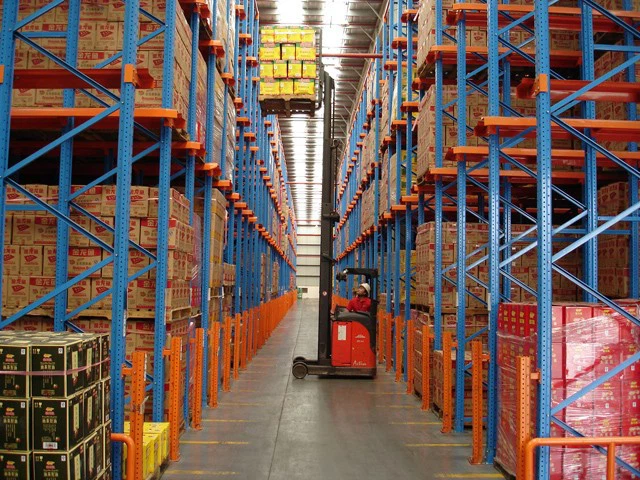
High Density Pallet Racking for Port-au-Prince, Engineered Around Real Import Conditions
Port-au-Prince warehouses sit between ocean freight, customs clearance, wholesale distribution and retail replenishment. Every square metre must work harder, every beam must be specified correctly, and every container must be loaded intelligently. That is the standard we design for.
China Wholesale High Density Pallet Racking Manufacturer for Haiti
Lottot Storage Solutions Co., Ltd. has manufactured industrial racking and warehouse storage systems since 2007. Unlike trading layers that simply resell catalogues, we control the engineering, roll-forming, welding, powder coating, packing and container loading process. For buyers in Port-au-Prince, that means the person calculating your load capacity is part of the same organisation that builds and ships the system.
Our range covers selective pallet racking, high-density pallet racking, drive-in and radio-shuttle concepts, cantilever racking for long materials, mezzanine platforms, light-duty shelving and heavy-duty steel storage racks. We support wholesalers, distributors, project contractors, cold-chain operators, supermarkets, construction suppliers and 3PL warehouses with layout drawings, load calculations and itemized export quotations.
Sending racking to Haiti is not the same as sending a standard domestic order. We plan for tropical humidity, salt-laden coastal air, seismic loading, limited warehouse footprints and variable port schedules. The result is a buildable, container-aware and maintenance-friendly warehouse racking solution rather than a catalogue recommendation disconnected from local reality.
What Port-au-Prince Buyers Typically Need
- Selective pallet racking for mixed-SKU import and distribution businesses.
- High-density or drive-in concepts where land is limited and pallet volume is high.
- Corrosion-resistant finishes for humid, coastal or cold-store environments.
- Cantilever racks for pipes, timber, steel bar and construction materials.
- Phased expansion so the warehouse can grow without replacing the first investment.
- Export documentation, container loading plans and installation guidance.
Why Port-au-Prince Warehouses Need Engineered High-Density Storage
High-density pallet racking is not simply “more steel.” It is a response to scarce floor space, costly inventory buffers, import uncertainty and the need to move goods quickly when shipments clear.
Limited industrial footprint
Warehouse space in and around Port-au-Prince is valuable. Higher pallet positions per square metre can reduce the need for multiple leased buildings and shorten internal travel routes.
Tropical humidity and salt air
Phosphating, powder coating and optional galvanized finishes help protect uprights and beams in humid Caribbean conditions, particularly near the coast or in chilled rooms.
Seismic-aware specification
Haiti is in a seismic region. Upright capacity, bracing, base plates, anchors and row spacers should be checked against the building’s slab and local engineering requirements.
Container-optimised packing
Long beams, uprights and accessories must be nested and loaded to protect components and control freight cost. Every shipment is packed around a container loading plan.
High-Density Pallet Racking and Warehouse Storage Products for Port-au-Prince Buyers
These eight systems cover the most common storage profiles in Haiti: mixed-SKU wholesale, fast-moving consumer goods, building materials, spare parts, retail replenishment and project-scale pallet storage.
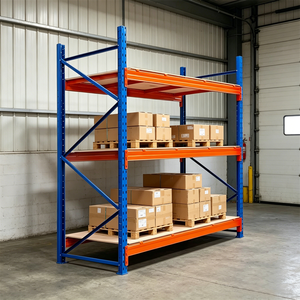
Powder Coated Heavy Duty Rack Industrial Warehouse Storage Pallet Racking Adjustable Industrial Shelves
Adjustable heavy-duty shelving for mixed cartons and pallets. Powder-coated finish supports humid Caribbean warehouses and retail distribution environments.
View product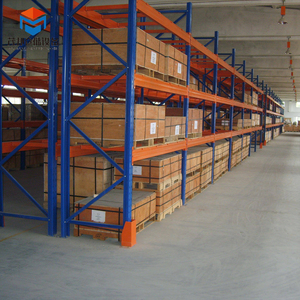
Warehouse Pallet Racking Selective Heavy Duty Industrial Storage Rack System Durable Q235 Steel Shelf Equipment
Direct access to every pallet and durable Q235 steel construction. A strong first choice for Port-au-Prince importers with many SKUs and rapid order picking.
View product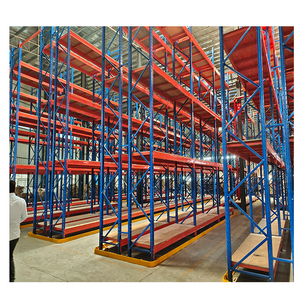
Warehouse Racking System Heavy Duty Industrial Pallet Racks System Storage Pallet Selective Racking
Flexible selective racking for distribution centres, wholesalers and 3PL operators that need clear visibility and straightforward forklift access.
View product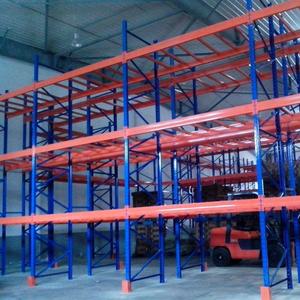
High Load Beam Pallet Racking Anti Rust Powder Coating Detachable Warehouse Rack Australian Distribution Center Goods Stacking
Detachable, anti-rust beam racking for high-load goods stacking. Suitable for import warehouses that require fast installation and future reconfiguration.
View product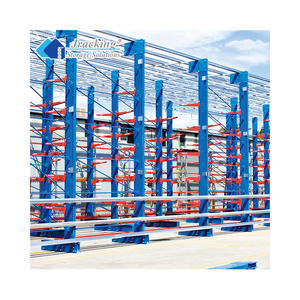
Jracking Industrial Warehouse Storage Shelves Rack Durable Heavy Duty Cantilever Racks for Industrial Material Organization
For pipes, timber, steel bars and long construction materials. Cantilever storage helps Port-au-Prince hardware and building-material suppliers organise irregular loads.
View product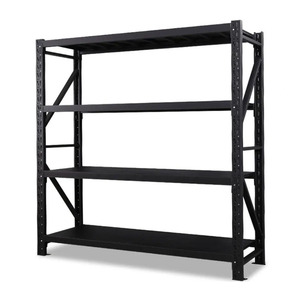
200kg Light Duty Cold Roll Steel Industrial Shelving Adjustable Stacking Racks Large Storage Capacity Warehouse Rack Anti-Rust
Adjustable light-duty shelving for spare parts, small cartons, retail stock and service workshops. Anti-rust construction supports practical daily use.
View product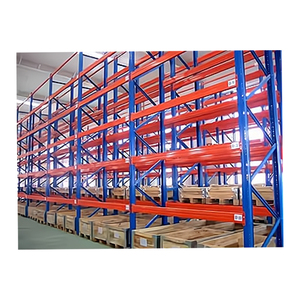
Hot Selling Heavy Duty Rack High Capacity Metal Steel Racks Heavy Duty Racking Warehouse Storage Rack
High-capacity steel racking for dense pallet storage and general warehouse use. A practical option for distributors planning phased pallet growth.
View product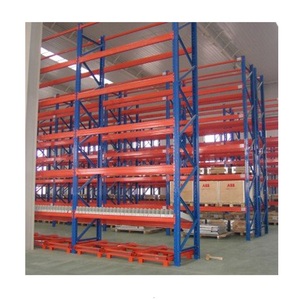
Industrial Heavy Duty Rack Factory Price Steel Pallet Racking Storage Systems From Warehouse Pallet Rack Manufacturer
Factory-priced industrial pallet racking systems for project-scale warehouses, 3PL operations and distribution centres requiring quotation flexibility.
View productWhere High-Density Warehouse Racking Creates the Most Value in Port-au-Prince
Different supply chains need different racking logic. We match the system to pallet flow, product value, handling equipment and the likelihood of future layout changes.
Food, beverage and FMCG distribution
Selective pallet racking, heavy-duty beam racking and drive-in concepts for rice, flour, cooking oil, bottled drinks, packaged foods and household goods. High-density layouts reduce aisles and protect fast-moving inventory buffers.
Cold chain and pharmaceutical storage
For chilled and frozen warehouses, we specify durable powder coating or galvanized options, careful beam deflection limits and layouts that support efficient forklift movement in narrow temperature-controlled spaces.
Construction materials and hardware
Cantilever racks and heavy-duty shelves for steel bars, pipes, profiles, timber, cement products, tools and building hardware. Storage can be organised by project, SKU or contractor account.
Retail, supermarket and wholesale supply
Selective racking and adjustable steel shelving support mixed cartons, pallets and order-picking stock. Clear labels, safe aisles and modular bays help wholesalers replenish retail stores faster.
NGO, 3PL and humanitarian logistics
Modular racking allows incoming shipments to be staged, sorted and dispatched without building a permanent single-purpose warehouse. Components can be expanded as project volumes change.
Automotive, spare parts and workshops
Light-duty shelving, heavy-duty steel racks and cantilever storage keep tyres, filters, tools, batteries and long components organised for distributors and service networks.
Port-au-Prince Warehousing Trends Reshaping Racking Demand in 2025–2026
Buyers are not asking only for lowest price per kilogram. They want fewer operational surprises, faster installation and a layout that can survive changing import volumes.
Density before expansion
Importers increasingly maximise pallet positions in existing buildings before leasing additional space. Drive-in, double-deep and high-density concepts receive more attention when SKU counts allow.
Corrosion specifications move up the agenda
Humidity, coastal air and cold-room condensation make coating quality a commercial issue. Buyers now ask about phosphating, powder thickness and galvanized alternatives.
Phased, modular projects
Instead of installing a full warehouse at once, many companies start with a core selective racking layout and add bays, mezzanine areas or high-density lanes as demand becomes clearer.
Container-aware engineering
Project teams want racking that is strong enough for the load but also designed around container dimensions, unloading sequence and local installation labour.
Engineering and Procurement Checks That Protect Your Port-au-Prince Racking Investment
Racking performance is not determined by upright height or beam length alone. Load, slab, handling equipment, seismic risk, coating and installation sequence must be coordinated.
1. Load and deflection must be calculated, not guessed
Each pallet has a weight, but the racking also carries the beam self-weight, accessory loads and dynamic forces from forklift handling. Beam deflection should remain within the project specification, and upright capacity must consider the actual beam spacing, frame height and bracing pattern.
For Haitian importers, we recommend sharing pallet length, width, height, maximum load, load pattern and forklift type. A layout that works for 800 kg pallets should not be reused for 1,500 kg construction-material loads without recalculation.
2. Seismic-aware anchoring and slab verification
Port-au-Prince is located in a seismic region, so racking should be anchored and braced according to the building’s slab data and the advice of a locally licensed structural engineer. Chemical anchors, reinforced base plates, row spacers and heavier bracing may be required depending on the rack height, load and site conditions.
We provide engineering inputs and drawings for review; final site validation should be completed by the buyer’s local professional team.
3. Corrosion protection for humid and coastal warehouses
Standard racking components are phosphated and electrostatically powder coated. For coastal Port-au-Prince sites, cold rooms or facilities with high condensation, hot-dip galvanized or pre-galvanized options can extend service life.
Good practice also includes preventing standing water at the base plates, repairing coating damage after installation and avoiding direct contact between dissimilar metals where galvanic corrosion may occur.
4. Container and installation logic should shape the design
Long beams are efficient for spanning aisles but can consume significant container volume. Uprights, bracing and accessories need protected nesting and clear packing marks. We prepare loading plans that balance strength, freight cost and unloading sequence in Port-au-Prince.
Installation drawings, row marking plans and bilingual labels can reduce confusion on site and help local contractors install faster.
Planning comparison: floor utilisation by storage concept
Indicative planning ranges only. Actual utilisation depends on pallet size, SKU profile, forklift turning radius, building columns, fire access and local code requirements.
Why Port-au-Prince Buyers Work With Lottot Storage Solutions
Our credentials are practical rather than decorative. Since 2007, we have built a factory-direct supply model around engineering support, controlled manufacturing and export logistics. We export at least 600 containers every year, have completed more than 3,500 warehouse solutions and serve customers in 60+ countries.
- Patented racking products with independent intellectual property.
- 20+ automatic roll-forming lines for consistent profiles and 10–15 day production.
- CE and ISO certified materials and quality management systems.
- Free layout drawings and itemized quotations within 48 hours after complete data.
- 30,000+ tons annual output and competitive factory-direct pricing.
- 10-year warranty against quality issues caused by our design, manufacturing, transportation or installation guidance.
For Port-au-Prince projects, we can support French or Haitian Creole packing labels where required, prepare export documentation and discuss FOB, CFR or CIF terms based on the buyer’s freight forwarder.
From Your Enquiry to a Racking System Ready for Port-au-Prince
A structured five-step workflow keeps engineering, production and logistics aligned from the first drawing to the final installation check.
Share requirements
Send floor plan, pallet data, forklift type, slab information and destination port.
Layout and quote
Receive a 2D/3D layout, load calculation notes and itemized quotation within 48 hours.
Production and QC
Manufacturing in 10–15 days with inspection before packing and container loading.
Export packing
Protected steel packing, clear marks, loading sequence and export documentation.
Installation support
Installation drawings, manuals, remote guidance or on-site supervision by arrangement.
Lead-Time and Export Planning for Haiti Racking Orders
Total project time is not production time alone. Buyers should plan for production, ocean transit, port handling and customs clearance. The table below is an indicative planning aid, not a contractual sailing schedule.
| Planning item | Typical approach | Port-au-Prince buyer note |
|---|---|---|
| Production | 10–15 days after drawing approval | Confirm layout, RAL colour, pallet loads and accessory list before production. |
| Ocean transit | Indicative 30–45 days from main China ports | Routing and transshipment affect timing; confirm with your freight forwarder. |
| Incoterms | FOB, CFR or CIF; DDP on request | Use the terms that match your forwarder, customs broker and import capacity. |
| Documents | Invoice, packing list, bill of lading, certificate of origin | Confirm HS codes, duties and any special import requirements with your broker. |
| Packing | Steel frame packing, wrapped components, loading plan | Request labels in French or Haitian Creole where useful for installation teams. |
| Installation | Drawings, manuals and remote support | Check slab strength, anchor type and local installation supervision before shipment. |
Shipping schedules change by carrier, season and port conditions. We recommend keeping a buffer for customs and site readiness, especially for first-time import projects.
Port-au-Prince Pallet Racking FAQ: What Importers Ask Before Ordering
These answers are written for warehouse owners, contractors, distributors and procurement teams comparing China-based racking suppliers for Haiti.
Do you ship high-density pallet racking to Port-au-Prince, Haiti?
Can the racking be designed for Haiti’s seismic and tropical conditions?
What is the difference between selective, drive-in and high-density pallet racking?
How do you protect steel racking from humidity and coastal air in Port-au-Prince?
What information is needed for an accurate quotation?
Can you supply cantilever racks for construction materials and long goods?
What warranty and installation support do you provide?
How do we start a Port-au-Prince warehouse racking project?
Planning a High-Density Pallet Racking Project in Port-au-Prince?
Send your floor plan, pallet dimensions and load requirements. Our factory-direct engineering team can prepare a free layout, storage comparison and itemized quotation for your Haiti warehouse project.
Inquire Now Free 2D/3D layout · 48-hour response · 10-year racking warranty