Heavy Duty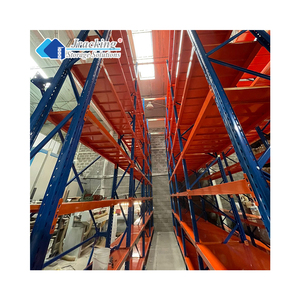
Nicaragua's distribution and logistics landscape is changing fast. Nearshoring demand from the United States, the growth of free-trade-zone manufacturing around Managua, and expanding cold-chain exports of coffee, beef and seafood are pushing local importers, 3PL operators and wholesalers to upgrade from conventional flat storage to engineered industrial racking. Yet sourcing racks in a warehouse in Nicaragua is not the same as buying from a neighboring country: importers must navigate a tropical humid climate, a seismic corridor, port congestion at Corinto and Puerto Cortés, and customs documentation in Spanish. That is exactly where a factory-direct supplier with regional experience makes the difference.
This guide explains the racking systems best suited to Nicaraguan warehouses, the application scenarios that drive demand locally, the trends shaping procurement in 2025 and the questions local buyers ask most — supported by the manufacturing credentials of Lottot Storage Solutions Co., Ltd., an ISO- and CE-certified racking producer with 18+ years of export experience to Latin America.
From selective pallet racking for multi-SKU distributors to radio shuttle systems for high-density cold storage, each system is engineered to Nicaragua's humidity and seismic conditions.
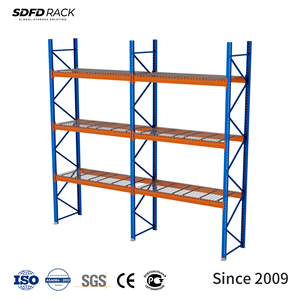
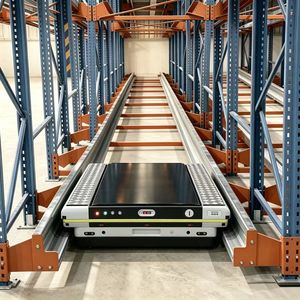
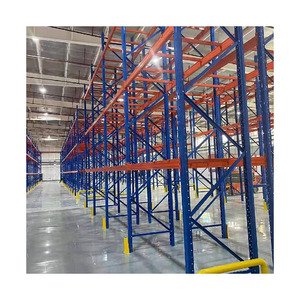
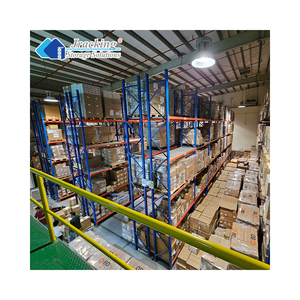
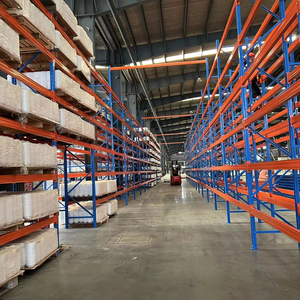
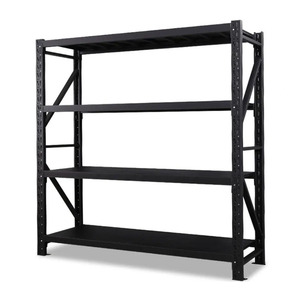
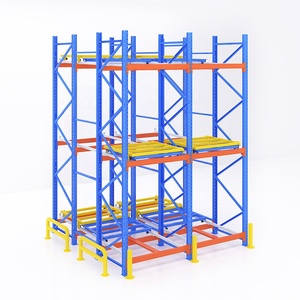
Lottot Storage Solutions Co., Ltd. has designed, manufactured and shipped industrial storage systems since 2007 from its own factory in Nanjing, China. Unlike trading companies that resell, we own 20+ automatic roll-forming lines, control every profile tolerance in-house and export at least 600 containers per year — work recognized by clients in more than 60 countries, including a growing base of Nicaraguan importers and Central American distributors.
For Nicaraguan buyers, this factory-direct relationship means the engineer who calculates your load capacity is the same team that builds and ships the racking. Patented products, CE and ISO certified materials and a documented 10-year warranty underpin every project.
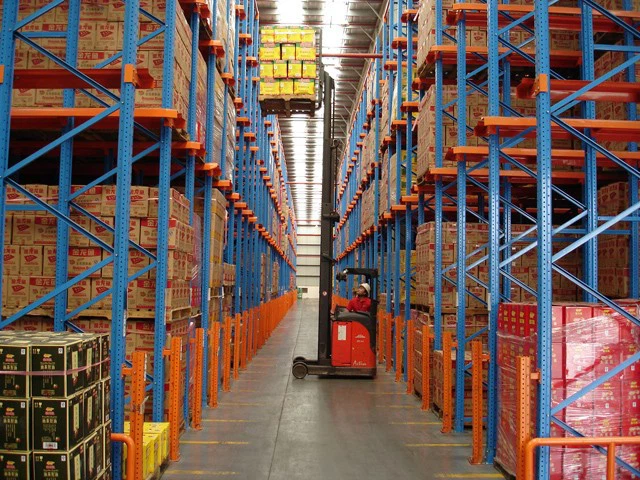
Nicaraguan warehouses operate in conditions that demand more than a catalog spec sheet. These are the application scenarios where the right racking system pays for itself fastest.
Nicaraguan coffee, sesame and beef exporters need FIFO pallet flow and heavy-duty selective racking inside humid warehouses near Matagalpa and Jinotega. Powder-coated or galvanized uprights resist condensation damage.
Managua-based fulfillment centers serving online retailers and international 3PL contracts turn to carton flow racks and mezzanine systems to multiply pick faces without renting larger buildings.
Frozen shrimp and dairy facilities demand radio shuttle or drive-in racking with hot-dip galvanized steel to withstand constant moisture, sanitizing chemicals and sub-zero cycles.
Beer, soft drinks and household FMCG importers use push-back and drive-in systems to maximize pallet density per container-load — critical when every square meter of leased space counts.
Automotive parts, textiles and component plants inside Managua's free zones require modular selective racking that can be reconfigured when product lines and SKU mixes change seasonally.
Pharmacy distributors and supermarket chains rely on adjustable light-duty shelving and selective pallet racking to keep SKUs organized across urban and regional stores.
Understanding where the Nicaraguan logistics market is heading helps importers and wholesalers plan racking investment for the next five years, not just the next order.
US companies diversifying supply chains increasingly route through Central America, raising demand for engineered racking in Nicaraguan free zones and 3PL hubs.
Following recent tremors across the Pacific corridor, importers increasingly specify reinforced base plates, heavy bracing and chemical anchors as standard.
Digital customs processing at Corinto and improved feeder routes are shortening clearance times, making direct factory shipments from Asia more attractive than regional resale.
Seafood, dairy and pharma cold storage is expanding, driving demand for galvanized radio shuttle and high-density drive-in systems designed for sub-zero chambers.
Radio shuttle and push-back systems are becoming the entry point to warehouse automation, delivering 2× density for a fraction of the cost of full AS/RS installations.
Total lead time = production (10–15 days) + ocean transit + customs clearance. Consolidated loads via Puerto Cortés or direct calls at Corinto are both supported.
| Destination | Typical Inbound Route | Indicative Transit | Best-Fit Racking Demand |
|---|---|---|---|
| Corinto (Pacific) | Manzanillo / Qingdao → Corinto | 28–38 days | Selective pallet racking, push-back, shelving |
| Puerto Cortés (via Honduras) | China → Puerto Cortés + overland | 25–35 days | FMCG, beverage, retail distribution |
| Managua Free Zones | Corinto / Puerto Cortés + trucking | + 2–4 days inland | Manufacturing Line racking, light-duty shelving |
| Cold Storage Hubs | Any Pacific port + cold-dock handover | + 1–3 days inland | Radio shuttle, drive-in, galvanized systems |
| Regional 3PL Centers | Consolidated FCL via Corinto | 28–40 days | Carton flow, mezzanine, selective racking |
Transit times are indicative from main Chinese ports and vary by carrier, transshipment and season. Final schedules are confirmed with each quotation.
The questions Nicaraguan importers, wholesalers and 3PL operators ask us most before placing an order.
Send us your warehouse floor plan, pallet data and destination port. Our engineers will return a free 2D/3D layout, load calculations and an itemized quotation within 48 hours — factory-direct, seismic-ready and covered by a 10-year warranty.
Get Catalog